Lando Norris
 McLaren
 Mercedes
 Red Bull
 Ferrari
 Williams
 Racing Bulls
 Aston Martin
 Haas
Haas Alpine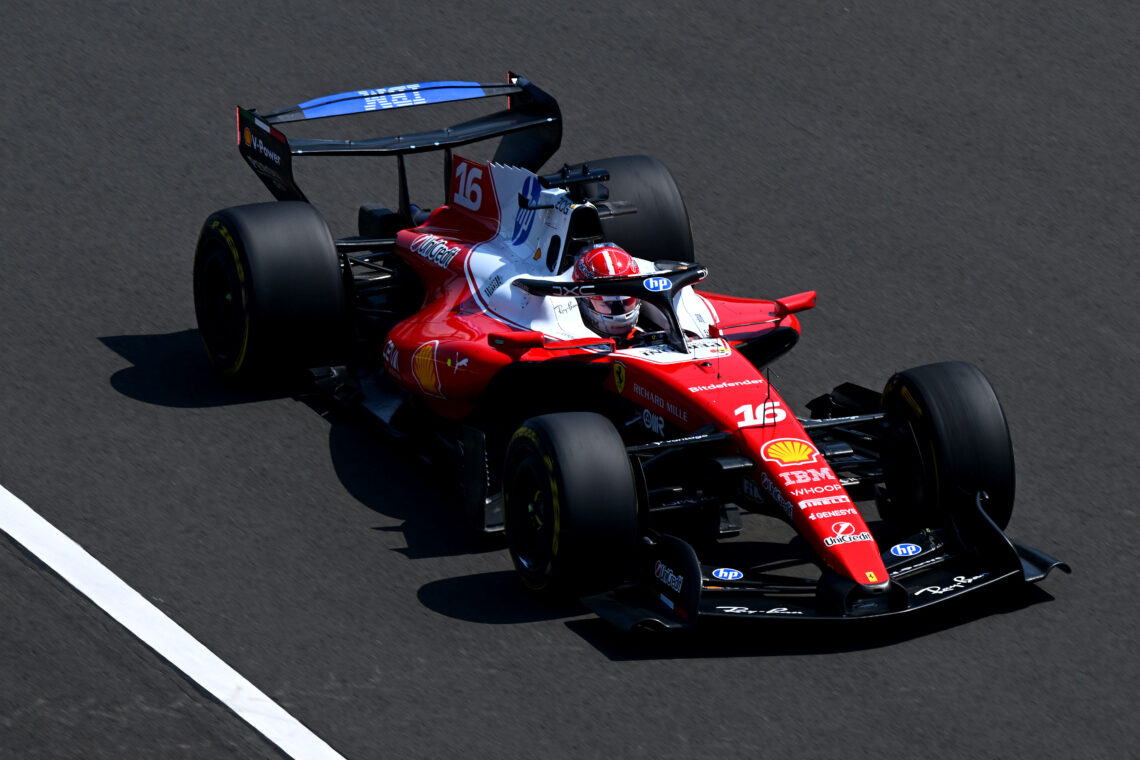


Ferrari are confident that the data they gathered with their Macarena rear wing at the 2026 Chinese Grand Prix shows they can elevate its performance for the Japanese GP.
The Scuderia caused quite a stir ahead of last week’s race in Shanghai by taking their radical rear wing to the second round of the 2026 F1 season. Even Lewis Hamilton voiced his praise for how Ferrari got the Macarena rear wing ready after its brief debut in pre-season testing.
Yet while Hamilton felt he was finally seeing Ferrari’s “full potential” through their ability to get the wing ready, they only ran it during practice. The Maranello crew opted against using the Macarena rear wing for the Sprint or the Chinese GP due to concerns over its reliability.
Ferrari feared the Macarena rear wing would not last a full race weekend if they had kept it on Charles Leclerc and Hamilton’s cars for the Shanghai Sprint and the Chinese GP. They are still very much in the early design phase with the rear wing that rotates the upper flap 180°.
Ralf Schumacher thinks Lewis Hamilton and Charles Leclerc are not ‘the best of friends’
Predict when the Ferrari drivers will crash with each other

Ferrari are ‘confident’ their Chinese GP data shows the Macarena rear wing can be optimised for Suzuka
But the data that Ferrari gained with the SF-26 at the Chinese GP has convinced them that they can make the Macarena rear wing work at the Japanese GP next weekend. F1 heads to Suzuka on March 27-29, before what will be a five-week break prior to the Miami GP in May.
READ MORE: 2026 Chinese Grand Prix race report, as Kimi Antonelli scored his first F1 win
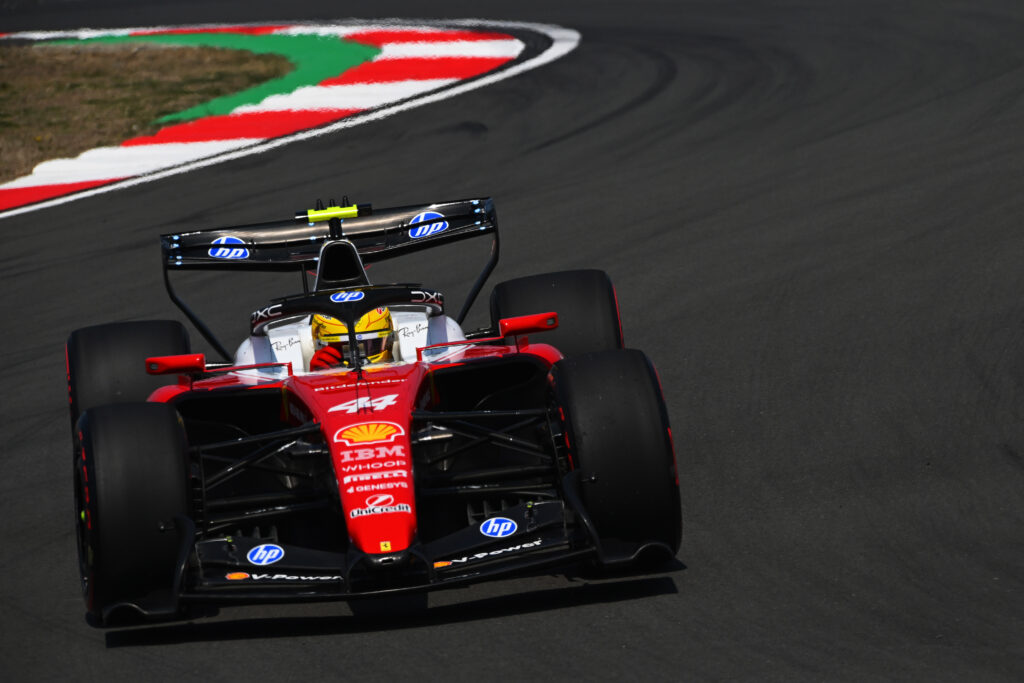
That is according to F1Technical, which reports that Ferrari plan to use their Macarena wing at Suzuka as they are ‘confident’ that the data they recorded in Shanghai shows they will be able to optimise it for the high-speed and high-downforce nature of the Japanese GP venue.
Ferrari accept that the Macarena wing created issues in China, with work needed to address the closing time and solve the aerodynamic imbalance created. But the Scuderia believe the concept has ‘strong potential’, and it will become a key part of the SF-26 if it works in Japan.
A Ferrari spokesperson is quoted as noting: “The Macarena wing is still in its early stages of development. We need to fine‑tune the closing time between the front and rear wings to achieve optimal aerodynamic balance.”
Fred Vasseur refuses to use team orders at Ferrari – Is he wrong?

Ferrari believe Suzuka’s sweeping corners and high-downforce sections make it the perfect next place to test the Macarena rear wing, ahead of making it a ‘key component’ of the SF-26’s aerodynamic strategy. The wing can offer Ferrari more than a straight-line speed boost.
Hamilton gained 10km/h (6mph) with Ferrari’s Macarena rear wing on the straights amid its brief debut at the second Bahrain pre-season test in February. Also, Ferrari’s Macarena rear wing can save a significant amount of energy on the straights, which is one of their issues.
Receive exclusive F1 news and updates twice a week to your mailbox