Lando Norris
 McLaren
 Mercedes
 Red Bull
 Ferrari
 Williams
 Racing Bulls
 Aston Martin
 Haas
Haas Alpine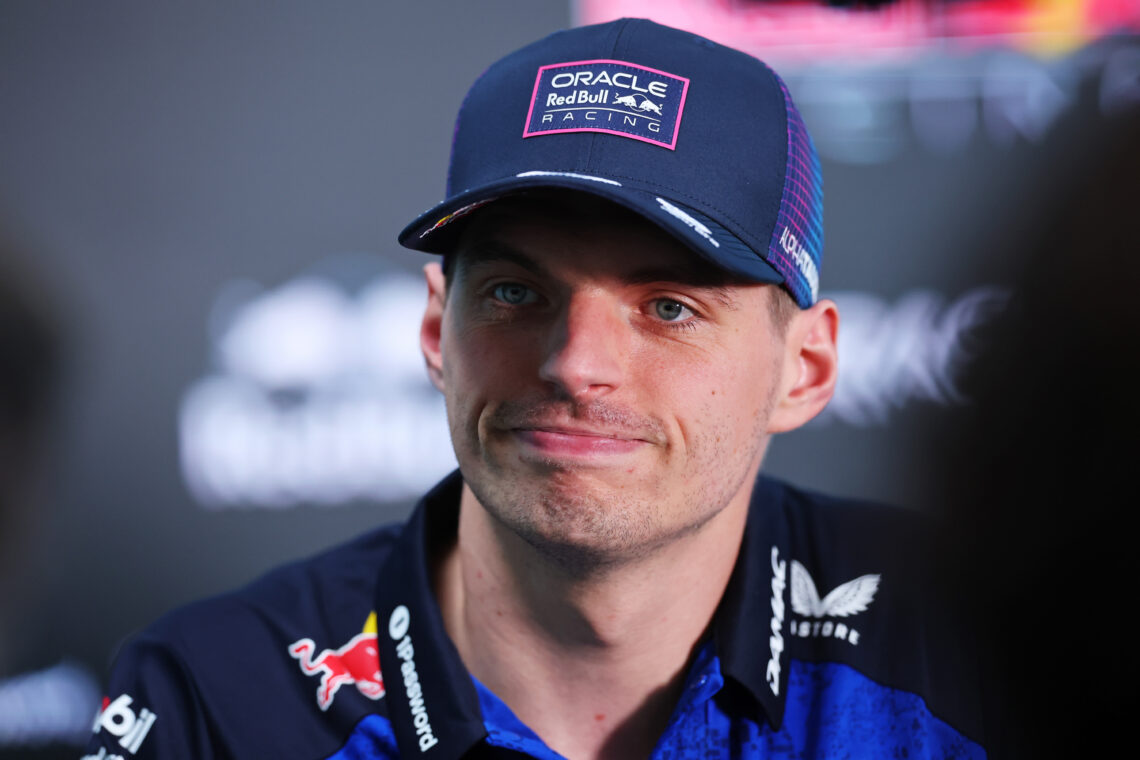


Despite Max Verstappen demanding a change in the current F1 regulations, the FIA are unlikely to oblige his requests.
Perhaps no driver on the grid has been more outspoken about his dislike of the new regulations more than Max Verstappen.
Verstappen dubbed the regulations ‘Formula E on steroids’ before the season started. And his criticism hasn’t softened since then.
The FIA have been told to give Max Verstappen ‘penalty points’ for his comments about the new rules
Despite the recent tweaks to the regulations, Verstappen was heard complaining about the battery during the Miami Grand Prix, something he has made a habit of this season.
But for all of Verstappen’s pleading to change the regulations, there is expected to be very little change, even when Formula 1 introduces new regulations.
READ MORE: Max Verstappen’s proposed engine rule change could ‘kill’ four F1 races including Australia
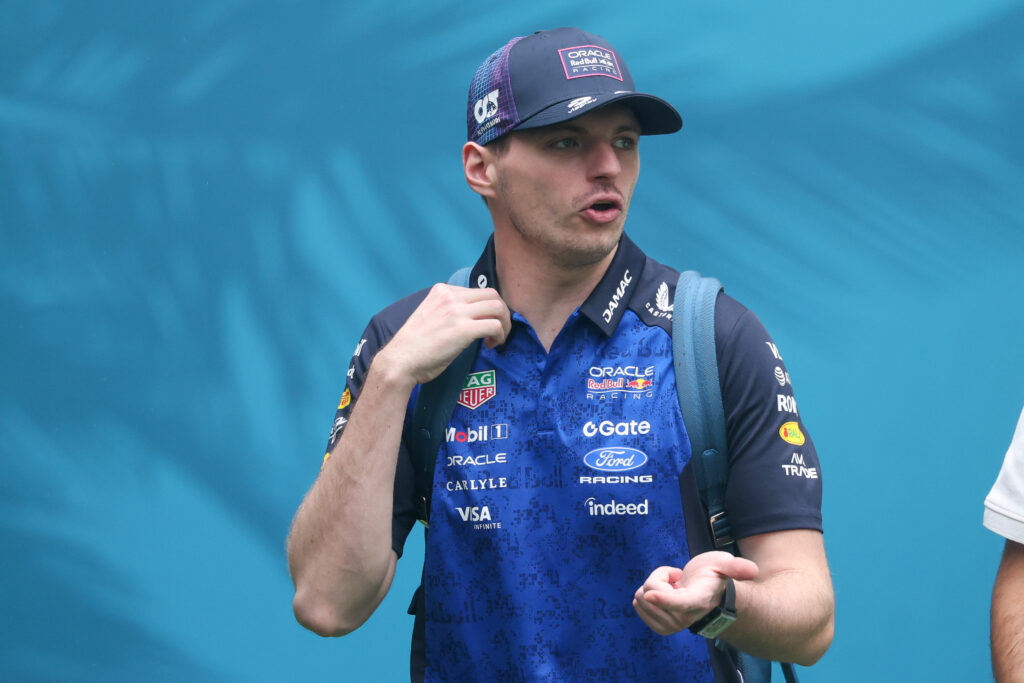
Max Verstappen won’t get his wish from the FIA despite new regulations being tweaked going forward
Speaking on The Race F1 Podcast, Scott Mitchell-Malm noted that Formula 1 have committed far too much to electrical power.
Even with the introduction of new regulations in 2031, Formula 1 officials won’t pivot away from electrical power any time soon.
“I think there was such a rush to make sure that F1 wasn’t left behind by what the automotive industry would have… They’ve basically overcommitted to it and got itself tethered to this thing that it had to be based around.
“And it has spent years trying to make something work, and unsurprisingly, we’ve seen in 2026 that it hasn’t worked perfectly; there’s been lots of controversy and division over it. The main thing from an F1 side is to be sensible to what trends are now, but don’t overcommit to it.
“What we can always do in 2030 or 2031… If we get to that point and F1 is working towards a majority internal combustion engine, which is a V8 married to an MGU-K…
“You can always tinker from there. If you do that sensibly, you’re not going to completely change the framework of your rules, your cars. Electrification isn’t going to disappear; it’s still going to be a key part, I’m sure.”
Prior to the new season starting, Verstappen pleaded with Formula 1 to move away from battery reliance and revert to a more traditional engine setup.
“I want us to actually stay away from that and be Formula 1, so don’t increase the battery, actually get rid of that and focus on a nice engine.”
READ MORE: Max Verstappen shares the engine rule change he wants to see even if he retires from F1
Share one thing you love about the 2026 F1 regulations!

New F1 regulations can be tweaked, but not entirely eliminated
Speaking further on the podcast, Mitchell-Malm explained why Formula 1 will continue to tweak the new regulations, but won’t be able to fully address driver frustration.
“I think what we have seen in Miami is a reduction in the extremities, because that’s what we were aiming for. I think we’ve seen a bit of an elimination of the weirdest things that the drivers disliked.
“What’s left is the restrictions that come with regulations like this. Because there are certain things that you can just not get away with unless the architecture changes, which isn’t going to happen unless there are much bigger changes to how much of electric power you can actually use.
“That’s the only way to make the energy last across the lap and not have to do silly things in silly places to make it last, or a simplification of the regulations in terms of when power kicks in, and just embrace what unknown consequences could be from that, which I don’t think the FIA will do.
“The reason I make that point – Max Verstappen said it as well. Ultimately, there is a version of these cars in certain parts of the track where simply driving them worse makes you faster over the course of the lap…
“The drivers don’t like that because it basically means that the better you drive, the slower you are over the lap in certain circumstances.
“I think that’s the sort of thing we’ll be left with once the weirdness is all ironed out. You won’t have completely satisfied drivers with this ruleset. You just can’t. You can get rid of the extremities, which is good for them and better for us, but it won’t fix some of those underlying issues.”
Drivers like Verstappen have a right to be frustrated. But beyond a point, there is nothing that is going to come from venting these frustrations.
Even Carlos Sainz suggested the criticism needed to stop going forward. When the regulations show any sign of making serious revisions, then these conversations can come up.
Receive exclusive F1 news and updates twice a week to your mailbox