Lando Norris
 McLaren
 Mercedes
 Red Bull
 Ferrari
 Williams
 Racing Bulls
 Aston Martin
 Haas
Haas Alpine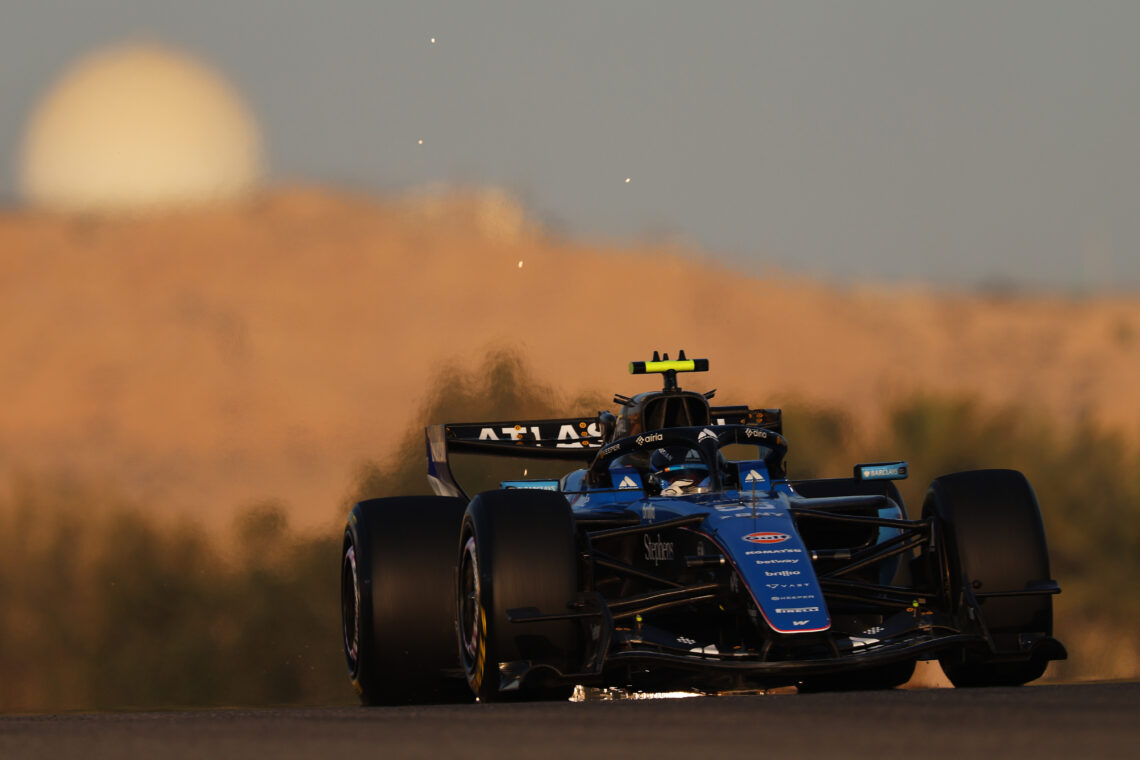


Carlos Sainz and Alex Albon’s efforts over the two Bahrain pre-season tests left the F1 paddock with the impression that Williams’ car for 2026 lacks stability under braking.
Williams enjoyed their best season since 2016 last year, as Sainz and Albon sealed them fifth in the F1 constructors’ standings. But the team have entered the 2026 F1 regulations era on the back foot, as Williams missed the Barcelona shakedown and did not look fast in Bahrain.
Questions about the pace of the FW48 arose immediately in the Sakhir desert, as Williams’ 2026 F1 car suffered from a lack of peak grip from the first test in Bahrain that they failed to overcome with set-up changes. And their problems became even clearer in the second test.
At times, Williams were 2.5 seconds a lap off the pace at the second test in Bahrain, as they started to seek performance rather than just reliability. Williams look to lack downforce and have an overweight chassis, said to be anywhere from 20 to 30kg over the 768kg minimum.
That’s testing done, so it’s time to predict who will win the 2026 F1 title
The F1 paddock thinks Williams have lost their braking stability and mechanical grip
Williams will look to reduce the weight of their chassis throughout the 2026 F1 season in an attempt to improve the performance of Albon and Sainz’s new car. But it is only one issue to be worked on back at base in Grove, as the FW48 left a lot to be desired at the Bahrain tests.
READ MORE: Everything you need to know about F1’s 2026 engine and aero regulations
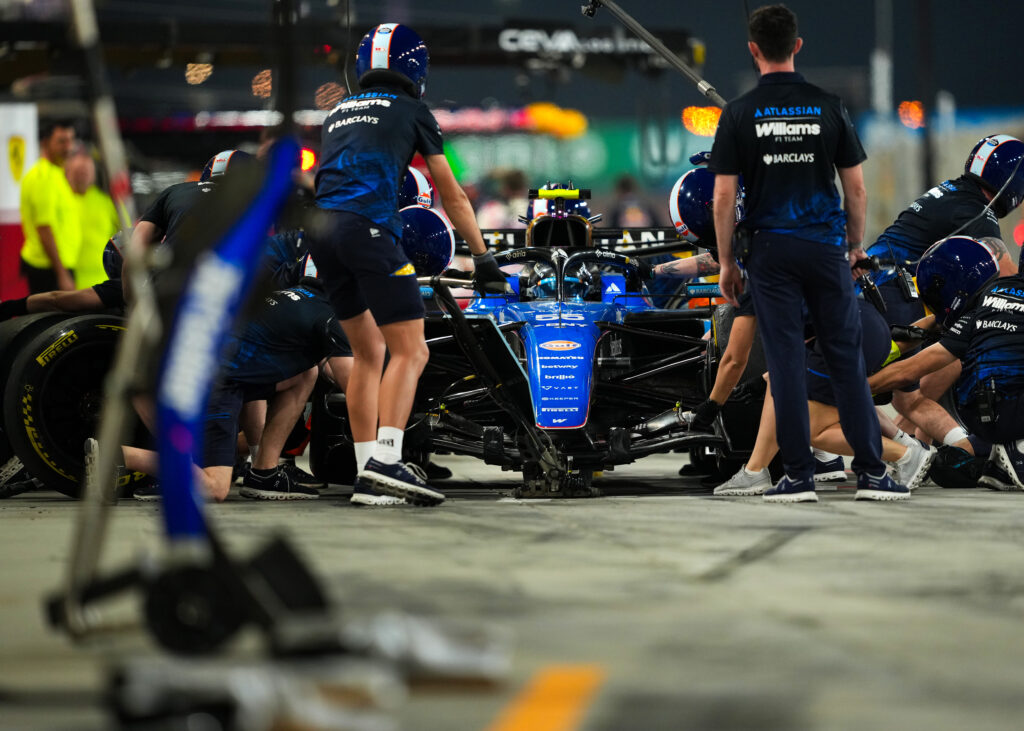
That is according to Motor Sport Magazine, which reports that the word ‘within and around the paddock’ in Bahrain is that Williams’ 2026 regulations car lacks the mechanical grip and stability under braking that made their final car of the ground-effect era so strong last term.
Sainz secured two podium finishes in the FW47 after joining Williams from Ferrari last year, with P3 finishes in Azerbaijan and Qatar. Albon also secured P5 finishes in Australia, Miami, Imola and the Netherlands, but Williams will have to fight to earn points heading into 2026.
Mercedes’ engine could help Williams reduce their deficit to the midfield in Australia
Jolyon Palmer felt Williams’ 2026 F1 car looked “nasty” as he watched Albon at the wheel of the FW48 during the morning session last Wednesday at the second test in Bahrain. He even claimed the car looked “like an absolute dog” on the entry to Turn 4 after Albon nearly spun.
The F1 paddock thinks Mercedes are the team to beat in 2026 after testing. Do you agree?
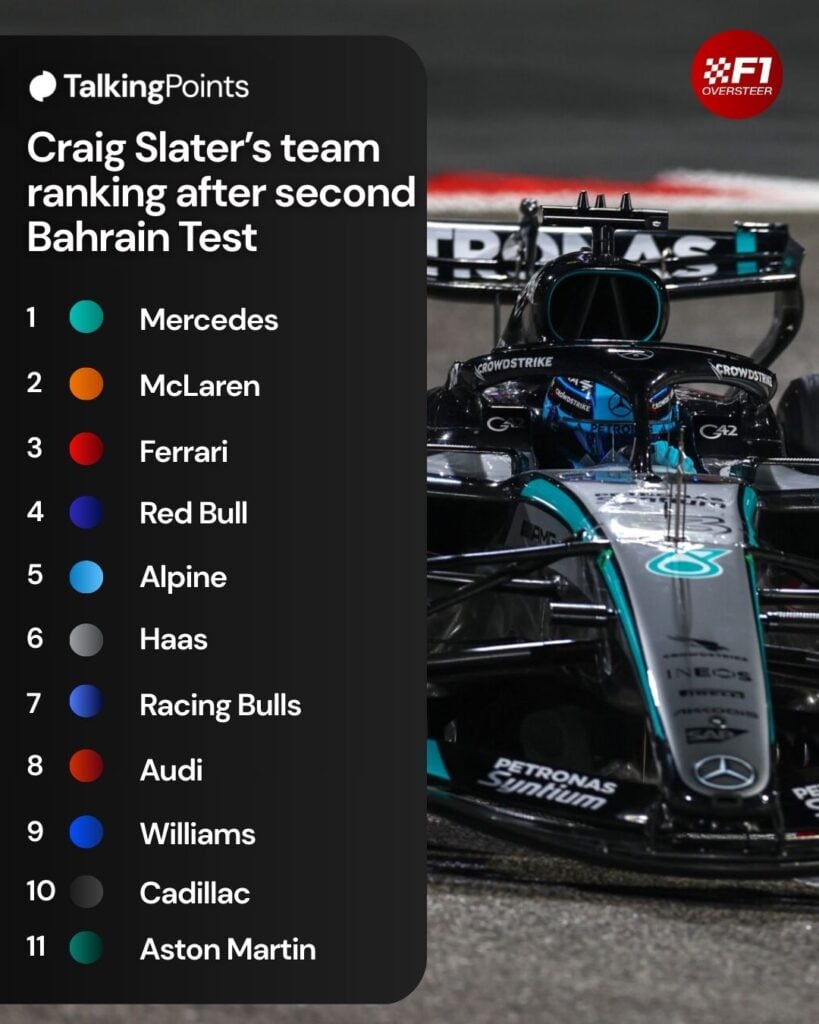
Many now expect Williams will start F1’s 2026 regulations cycle near the rear of the midfield pack, with just Cadillac and the troubled Aston Martin clearly trailing the Grove natives after testing. It remains to be seen how long Williams take to improve their new car’s worst flaws.
Mercedes could help Williams to move slightly closer to the likes of Racing Bulls and Audi at the back of the midfield pack. The Silver Arrows did not afford their engine customer teams the latest version of their engine at the Bahrain tests, but they will have the unit in Australia.
Receive exclusive F1 news and updates twice a week to your mailbox