McLaren
 Mercedes
 Red Bull
 Ferrari
 Williams
 Racing Bulls
 Aston Martin
 Haas
Haas Alpine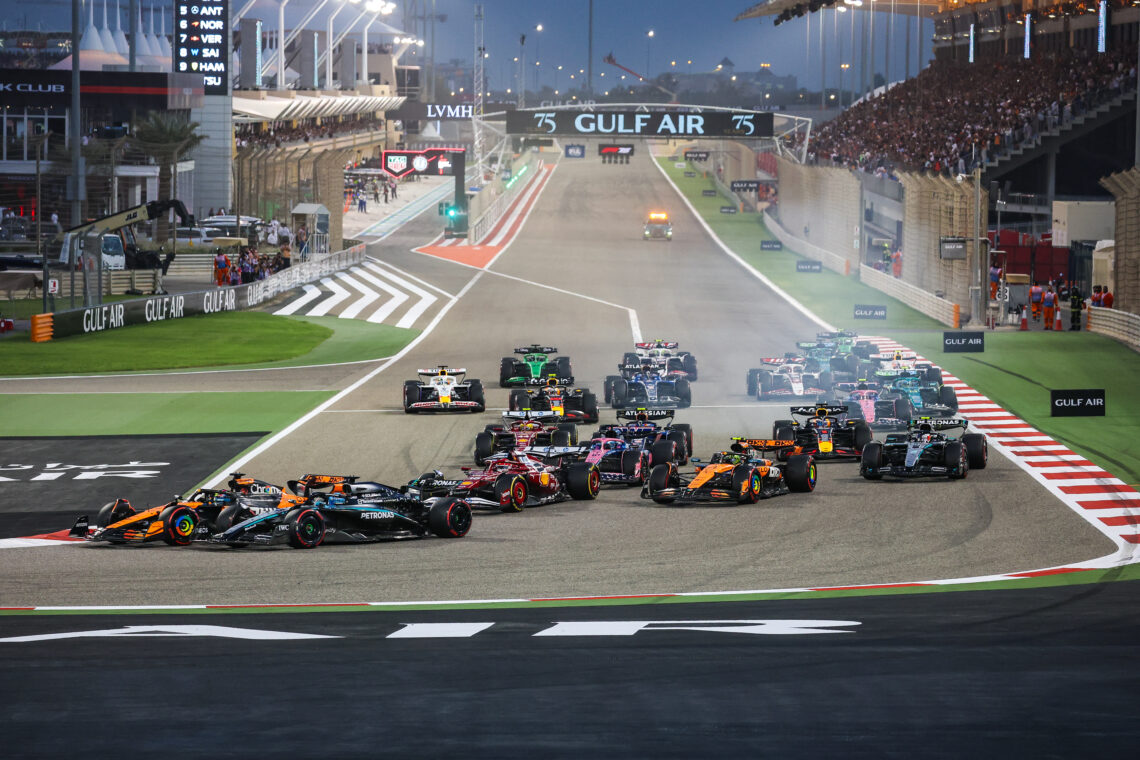


Formula 1 are closing in on a deadline to decide whether the Bahrain and Saudi Arabian Grand Prix can go ahead as part of the 2026 Formula 1 season.
The 2026 campaign is about to get underway, with the Australian Grand Prix once again hosting the season opener.
The teams then head immediately to China before the next race at Suzuka, but a decision on the fate of the Bahrain Grand Prix and Saudi Arabian Grand Prix will need to be made before then.
If the races in Bahrain and Saudi Arabia are cancelled, which circuits should F1 go to instead?

There have already been suggestions that Japan could host a double-header, which might be a nightmare for Aston Martin and Honda if they have to wheel out their disastrous power units twice in front of a home crowd.
European tracks like Imola and Portimao are also being considered, but F1 Oversteer’s finance and governance expert, Adam Williams, has now shared more details about the potential consequences of moving or cancelling these events for teams and the sport as a whole.
READ MORE: 2026 F1 Australian Grand Prix: How to watch, race start time, qualifying schedule and weather
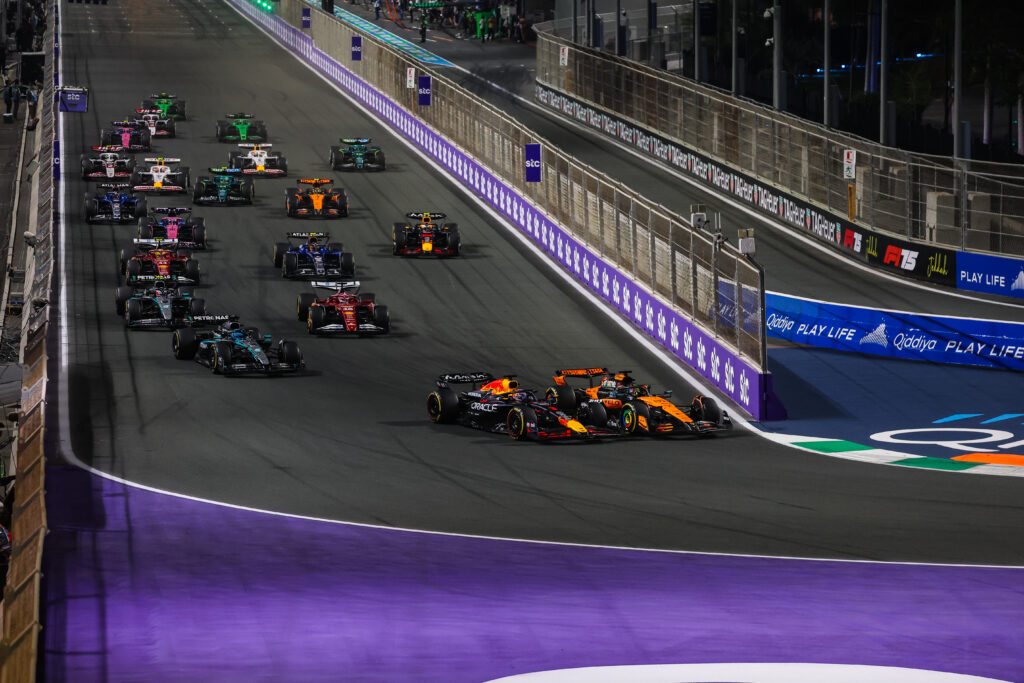
What could happen to Formula 1 if the Bahrain and Saudi Arabian Grand Prix are cancelled?
Reflecting on the situation, Williams explained: “F1 and the event organisers will be covered for this eventuality to an extent, I’d have thought. There was a lot of debate about what was and wasn’t covered in insurance agreements when the pandemic hit, so it’s a nuanced question.
“Many agreements have a ‘war exclusion’ clause, but I’d expect that, given their geography, the organisers of the Bahrain and Jeddah races would have seen this as a material risk, so would have paid for war cover. Without seeing the contracts, we can’t say for sure, however. Either way, even if they do have cover, you’re going to get back some of the money you’d have made in revenue if the race had gone ahead, but not all of it.
Who will be the biggest positive surprise of the 2026 F1 season?

“And matters are complicated by the commercial structure of Formula 1 – there could be different layers of loss and insurance at the local level, for broadcasters and sponsors, and for the F1 itself. Also, would the F1 cancel the races altogether, replace them or suspend them? That’s another factor.
“There is something of a precedent in the 2011 Bahrain Grand Prix being cancelled because of the Arab Spring, but that was resolved commercially and politically rather than through insurers, so it’s not necessarily the most helpful benchmark.
“I appreciate there are a lot of ifs and buts there, but there are so many variables at this stage. Clearly, the main consideration has to be the safety of fans, drivers and everyone else involved in these events. On a human level, it feels clinical to be talking about cancellations in financial terms when people are dying in the Middle East, but that is the reality of the situation.”
READ MORE: The most viewed F1 race highlights ever including Abu Dhabi 2021 and Carlos Sainz’s first win
When is the deadline for Formula 1 to decide on the Bahrain and Saudi Arabian Grand Prix?
Practice in Bahrain is set to take place on 10 April, 36 days from the time of writing.
The logistics of hosting and organising a Formula 1 race mean that freight has to be shipped around the world, and tens of thousands of people have to descend on a circuit to make everything run smoothly.
A report from BBC Sport suggests that teams will need to start sending equipment to Bahrain immediately after next weekend’s Chinese Grand Prix.
It’s believed that Bahrain and Saudi Arabia pay more than £75m in fees to host both races, as well as support races like Formula 2, Formula 3 and F1 Academy.
The likelihood of two circuits stepping in at such short notice is dwindling by the day due to the amount of admin required to host a race, including selling tickets and the logistics that surround a Grand Prix weekend descending on the local area.
The report also dismisses the likelihood of a Suzuka double-header, citing ‘little benefit to weigh against the impact it would have on F1 personnel’.
Receive exclusive F1 news and updates twice a week to your mailbox