Lando Norris
 McLaren
 Mercedes
 Red Bull
 Ferrari
 Williams
 Racing Bulls
 Aston Martin
 Haas
Haas Alpine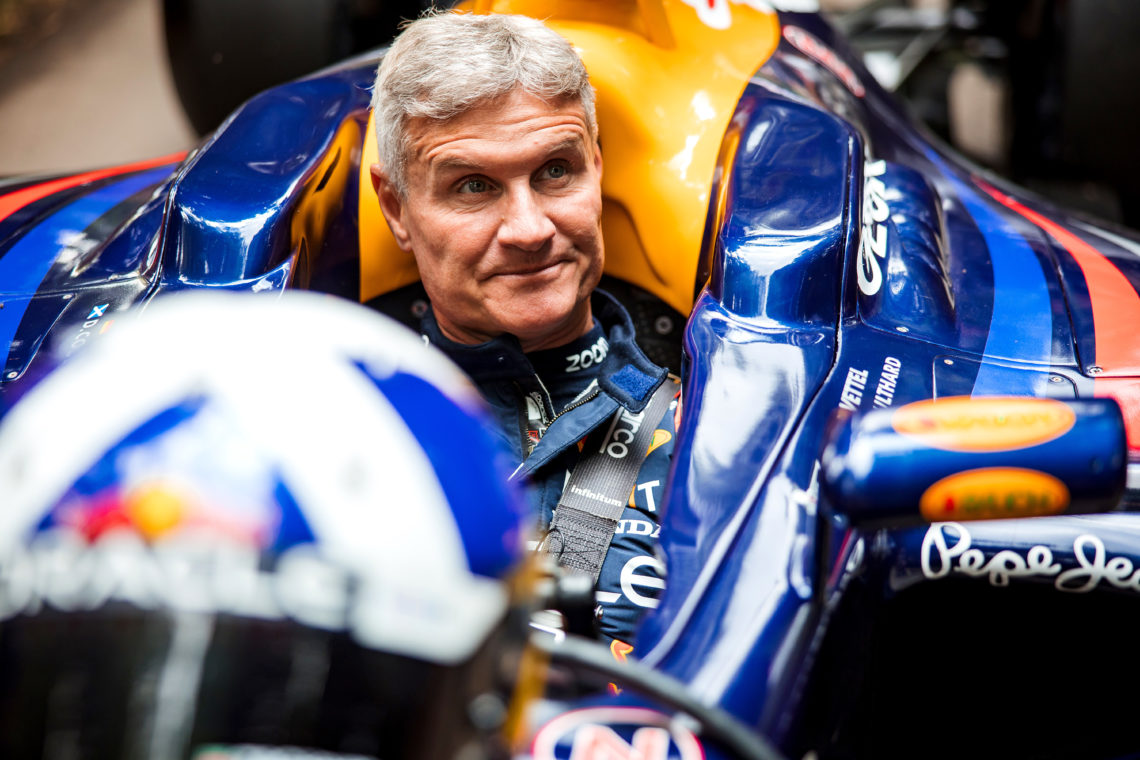


It feels premature to already be looking ahead to the 2026 Formula 1 season, but every team on the grid will be slowly moving resources across to that car over the next year.
Ahead of the Dutch Grand Prix, all eyes are on whether Red Bull and Max Verstappen can hold off the charge from McLaren to secure another championship double.
However, chatter has already started in the paddock about how well-prepared each team is going to be when 2026 rolls around.
The first big change will be Audi’s arrival on the grid in place of Sauber.
The Swiss team are in a terrible position right now and the feeling in the paddock about Audi’s chances aren’t entirely positive.
Martin Brundle has shared his view on Red Bull Powertrains as they begin their partnership with Ford after years of successful work with Honda.
The 2026 season has also played its part in this year’s driver market.
Alex Albon cited having Mercedes engines for 2026 as one of the reasons he extended his Williams deal.
However, speaking on the Formula For Success Podcast, former driver David Coulthard has shared one of his concerns about the new ruleset.
So much is changing between 2025 and 2026 including the power units and Coulthard and Eddie Jordan are both worried about this.
They’re in agreement with Peter Windsor who has called the power unit rules ‘absolutely insane’.
READ MORE: Everything we know about F1’s 2026 regulation changes so far from engines to tyres
David Coulthard concerned about 2026 F1 power unit rules
Speaking to Eddie Jordan about the new ruleset, Coulthard said: “There’s a lot of complications in these regulations.
“My biggest concern, EJ, I’m going to throw it out there, is the 50-50 split of battery and internal combustion because one of the great things about hybrid is the electrical energy fills in the hollow and torque that you get when you’re no longer traction limited.
“You cannot just put 100% power through the rear axle at 50 kilometres an hour because you’ve got no downforce, you don’t have the grip.
“So, inevitably, the drivers still have to feed the power in. But once you’ve not traction limited, you get an amazing boost from electrical energy and then the engine takes over.
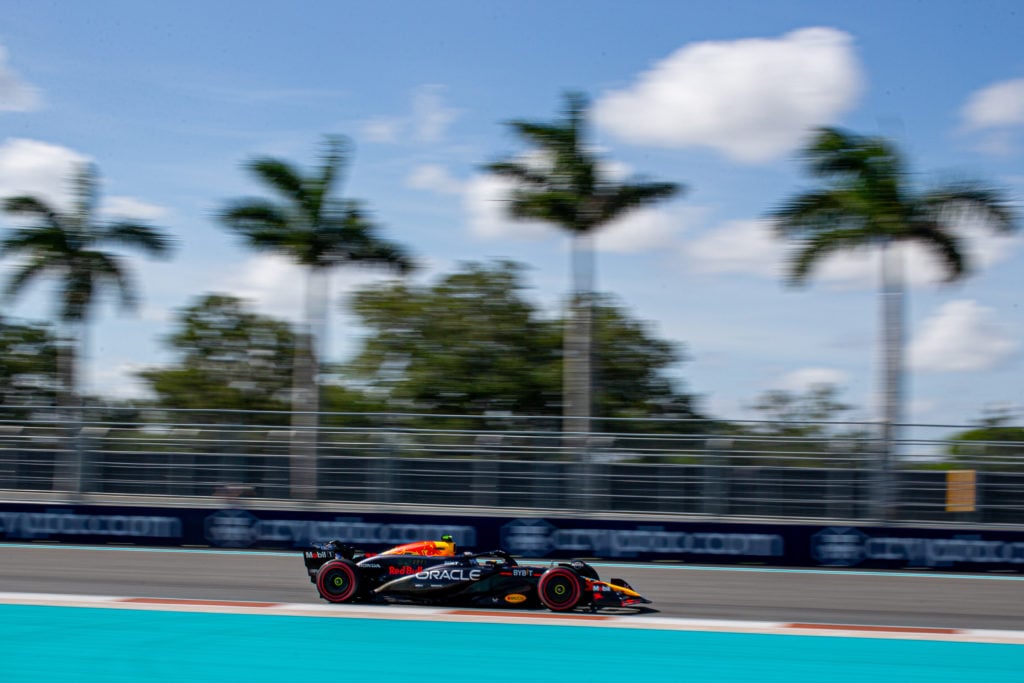
“We could be in a situation where in Monza or after Eau Rouge in Spa, the cars have hit a V-Max, let’s call it 300 kilometres an hour, at the middle of the straight, give or take, and then they will start to lose speed because the engine does not have enough power without the electrical energy to maintain the drag of the car.
“Now, that’s maybe where the activated dynamics come in and maybe this has all been thought out, and I’m not bright enough to work it out and no one’s explained it to me.
“But there is a risk that you’ll hit V-Max much earlier than you would previously and then you’ll start to get slower to the braking point.”
READ MORE: What the Formula 1 paddock is saying about Red Bull Powertrains ahead of 2026 debut
FIA rule changes already having impact on the 2024 Formula 1 season
The Dutch Grand Prix represents the first chance for teams to test any alterations made during the summer break.
Although the two-week shutdown period would have limited developments, small tweaks would have invariably been made off the back of the last race at Spa.
An FIA rule change is expected to potentially hurt McLaren and Mercedes at Zandvoort which could be just what Red Bull need to return to the front of the pack.
The next race at Monza is expected to see more updates brought by the rest of the field in preparation for the final run-in.
However, the closer we get to 2026, the more focus will turn to the next generation of Formula 1 cars.
Receive exclusive F1 news and updates twice a week to your mailbox