Lando Norris
 McLaren
 Mercedes
 Red Bull
 Ferrari
 Williams
 Racing Bulls
 Aston Martin
 Haas
Haas Alpine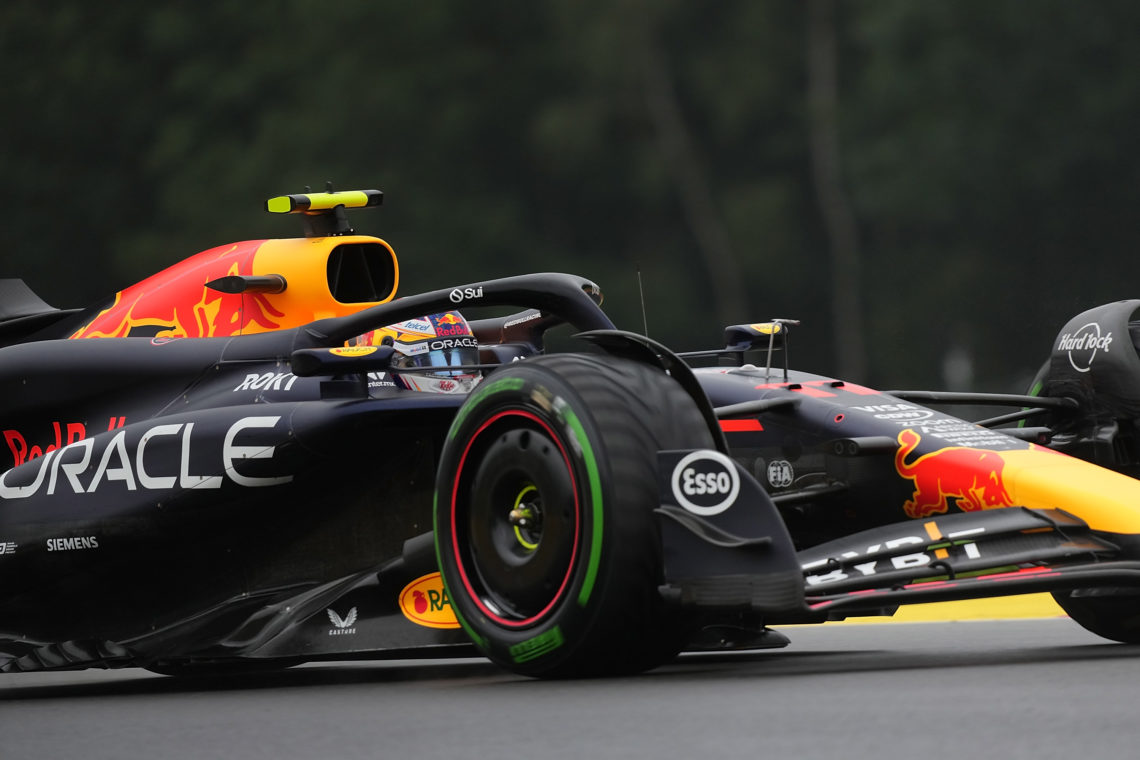


The 2026 Formula 1 season is set to be the next reset for all the teams and could potentially change the pecking order completely with new engine and chassis regulations.
Red Bull have dominated F1 since the reintroduction of the ground-effect cars in 2022, but that could be about to change when they take on their own engine project for 2026 in partnership with Ford.
There have been mixed views on whether they will be competitive out of the box with its powertrain, with several in the F1 paddock claiming that it looks uncertain for Red Bull.
Marc Priestley also shared what he was told that nobody has ‘too much confidence’ in the project, although team principal Christian Horner insinuated that several members of Mercedes had been recruited to help at a recent factory tour.
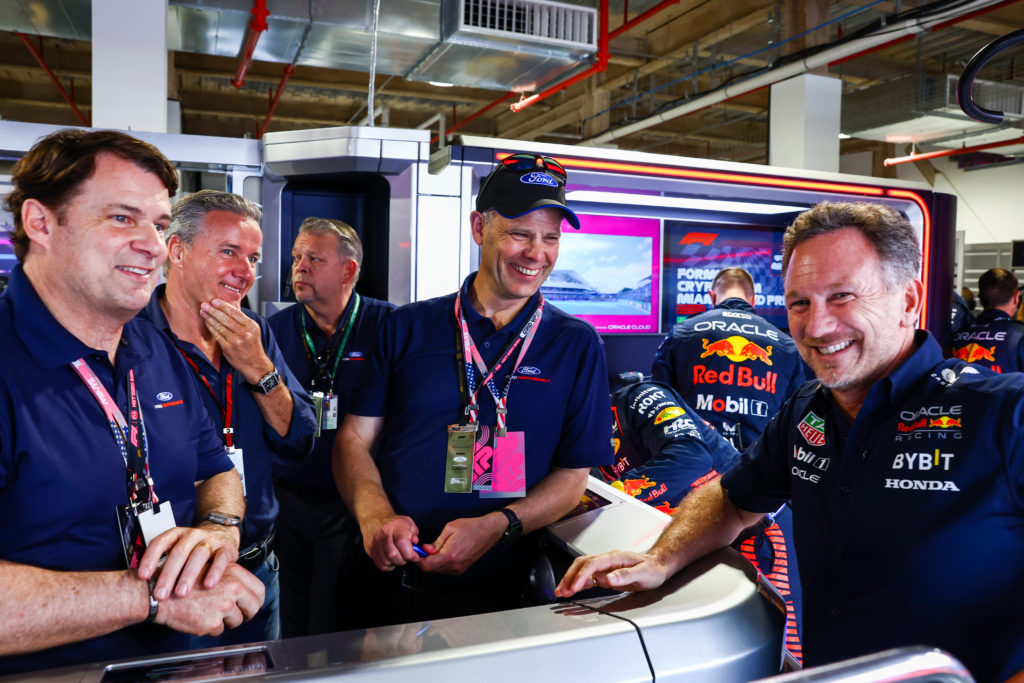
Horner confirmed that rival teams had approached Red Bull about an engine partnership when speaking to Autosport about whether they plan to supply any other teams on the grid.
READ MORE: Everything we know about F1’s 2026 regulation changes so far from engines to tyres
Christian Horner says Red Bull ‘approached’ by rivals over 2026 engine
Red Bull Powertrains will provide engines in-house to both the main team and their sister team Visa Cashapp RB from 2026.
Every team apart from Alpine has confirmed its plans for a 2026 power unit, with Renault set to scale back its involvement after the 2025 season to reduce costs.
Horner confirmed that other teams have looked into technical partnerships with Red Bull, but added that there is another caveat in the rules that makes being a supplier less lucrative.
“We have been approached by different teams, some are probing to see who will have the most competitive engine,” said Horner.
“But our focus is fully on the two Red Bull teams at the moment, because we want to walk before we run. If something might come up later, then we are open to the right partner.”
Horner believes the financial rules for being a supplier need changing: “Supplying an engine to a customer is a loss-making exercise based on the FIA pricing.”
The importance of having customers in F1’s hybrid era
Under the 2026 F1 technical regulations, power units can only be supplied at a maximum price of €15 million (£13 million) for each team.
Although the 2026 engines are simplified compared to the current generation of hybrid power units, it is still important to supply more than one team due to the added data you can get while on track.
Mercedes supplied over half the grid when it started in 2014, meaning it got data from various other teams that it could use to improve its power unit reliability.
| Team | Power Unit |
| Red Bull | Red Bull Powertrains Ford |
| Mercedes | Mercedes High Performance Powertrains |
| Ferrari | Ferrari |
| McLaren | Mercedes High Performance Powertrains |
| Aston Martin | Honda |
| Alpine | – |
| Williams | Mercedes High Performance Powertrains |
| Visa CashApp RB | Red Bull Powertrains Ford |
| Audi | Audi |
| Haas | Ferrari |
Red Bull has a luxury in that it can supply two teams on the grid, which is more than both Audi and Honda who will so far only power one team in 2026.
Ferrari also powers an extra team as part of its technical partnership with Haas, while Mercedes leads the way by providing three teams with their power units on the grid.
Receive exclusive F1 news and updates twice a week to your mailbox