Lando Norris
 McLaren
 Mercedes
 Red Bull
 Ferrari
 Williams
 Racing Bulls
 Aston Martin
 Haas
Haas Alpine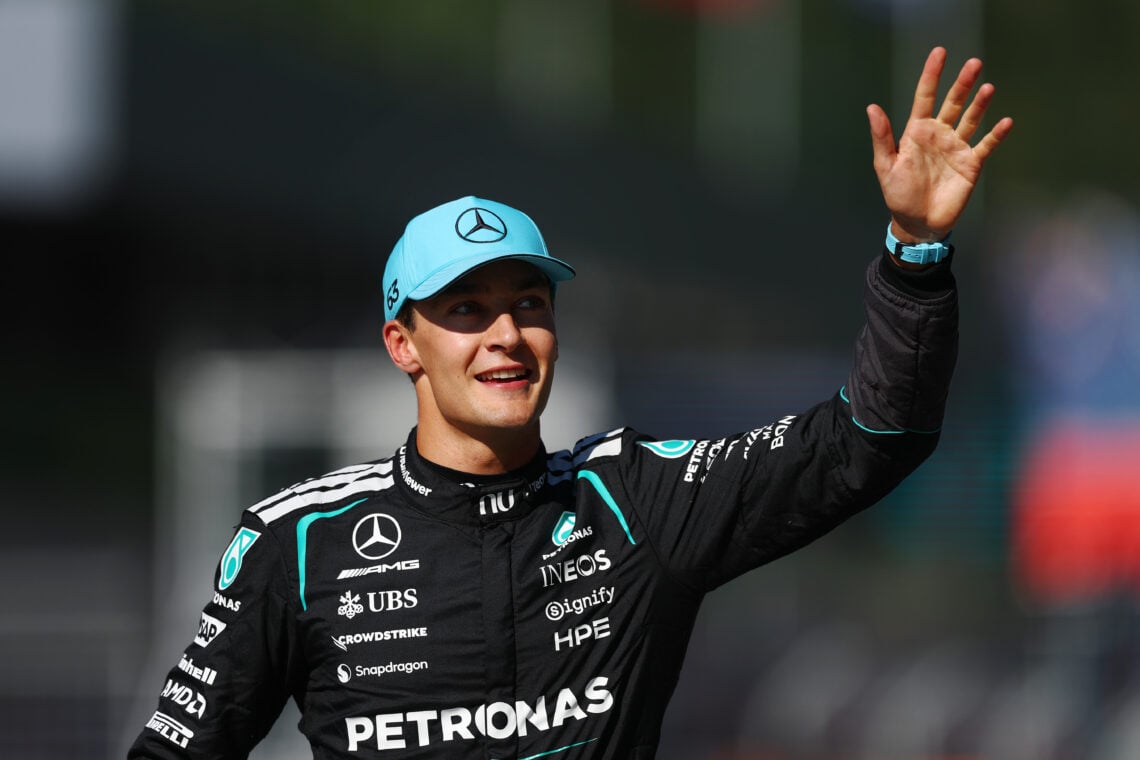


Bernie Collins believes George Russell’s pole position for the 2026 Austrian Grand Prix stood as the data proved he did not flout the yellow flags for Max Verstappen’s crash.
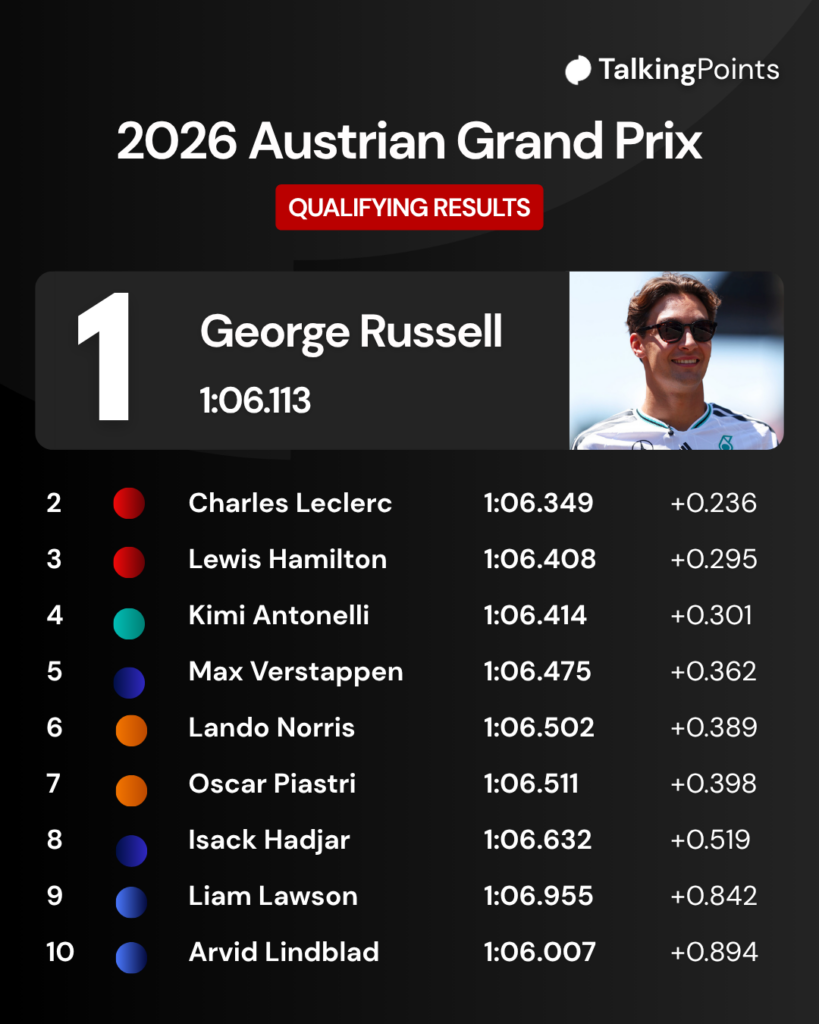
Drama ensued at the very end of qualifying for the Austrian GP this Saturday, as Verstappen crashed in the barriers at Turn 9. It initially seemed like the Red Bull driver’s crash would put Ferrari star Charles Leclerc on pole, but Russell got P1 for Sunday’s grid from under his nose.
Leclerc was already sat at the top of the timesheets for qualifying when Verstappen crashed, having edged ahead of his Ferrari teammate Lewis Hamilton by a mere 0.059 seconds. But it was not enough to deny Russell, whose 1:06.113 took pole by 0.236s over the Monegasque.
George Russell scores pole for the Austrian Grand Prix 🇦🇹 But who surprised you the most during qualifying
George Russell’s ‘data’ shows why his Austrian Grand Prix pole lap was legal
Questions were immediately raised over whether Russell scored pole for the Austrian GP, or whether Leclerc had actually topped qualifying having set his time well before Verstappen’s crash. The FIA chose against deleting Russell’s time, though, as he backed off and lost time.
Russell had a big lift off the throttle approaching Turn 9, as yellow flags were out due to Red Bull racer Verstappen’s crash. Only once he cleared the crash site did the Mercedes ace get back on the throttle, and it was still enough for him to smash Leclerc’s benchmark by 0.236s.
READ MORE: How to watch the 2026 Austrian Grand Prix on TV, plus the weather forecast
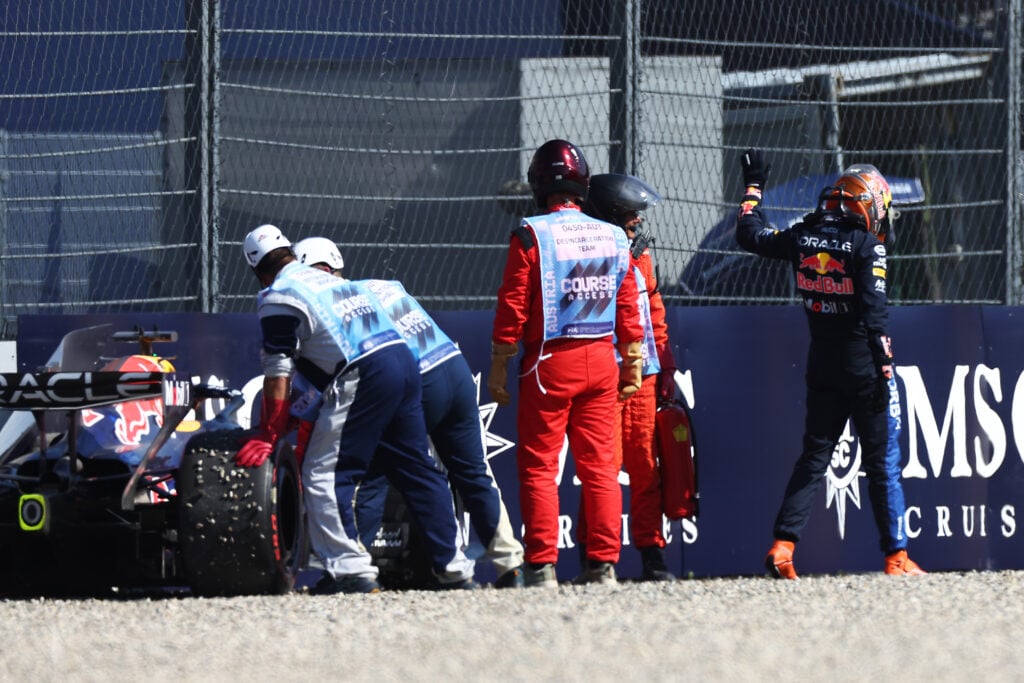
The “data” that former McLaren strategist Collins could see immediately after Verstappen’s crash and Russell’s lap also proved why the Mercedes man was not stripped of his quickest time. Russell was never shown double-waved yellow flags, unlike his teammate Andrea Kimi Antonelli, which would have meant the Briton was automatically stripped of his fastest lap.
Collins said on Sky Sports F1 (27/06, 16:04): “I did see the onboard there, and when I look in the data, the telemetry, I can rewind to the point that the double-waved yellow was thrown on data, and that is after Russell has gone through that sector.
“So, although it’s shown on the marshal post, it’s not shown on data, it won’t be shown on Russell’s dash, and he won’t have been told by the team to abort the lap, because if a driver in data goes through double-waved yellows, it’s automatically deleted.
“So, in data-land, which is obviously not where we all live, Russell did not go through a double-waved yellow.
“But in real life world, he did, and I think they will go with what the marshal post is showing, physically showing at the point that Russell goes to.”
Receive exclusive F1 news and updates twice a week to your mailbox