Lando Norris
 McLaren
 Mercedes
 Red Bull
 Ferrari
 Williams
 Racing Bulls
 Aston Martin
 Haas
Haas Alpine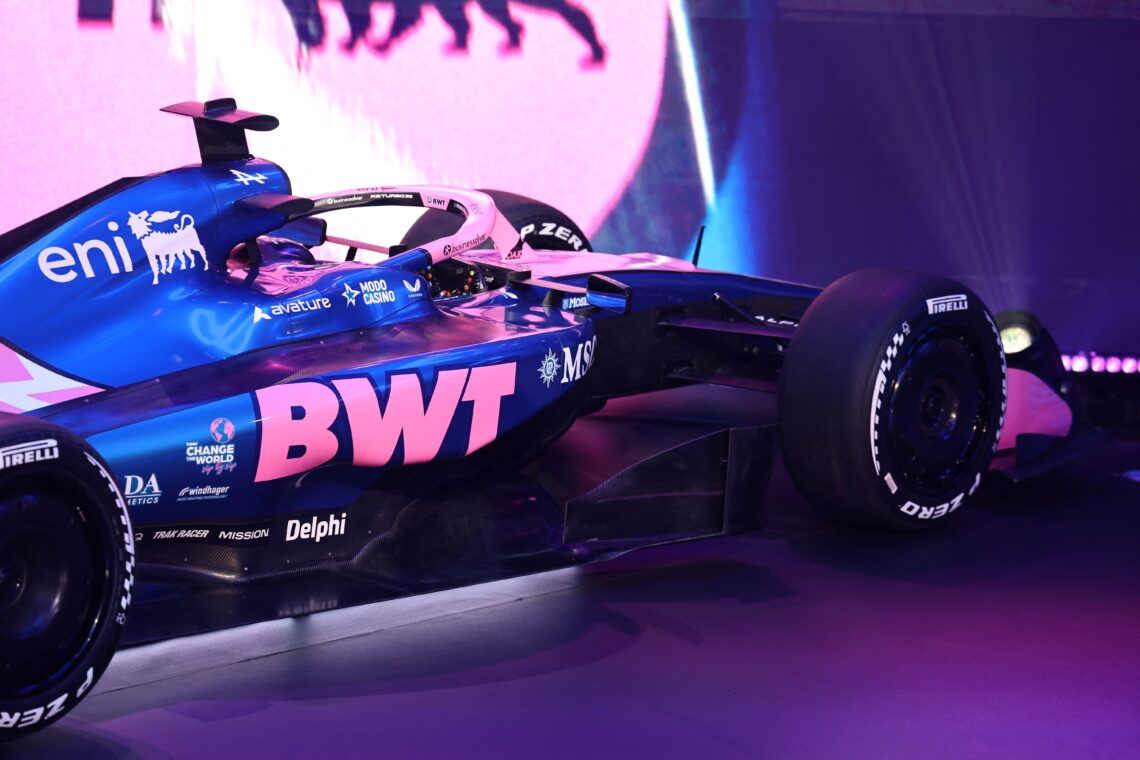


Steve Nielsen was blown away by his initial impression of the 2026 F1 regulations, but Alpine still have “an awful lot” to learn now they are an engine customer of Mercedes.
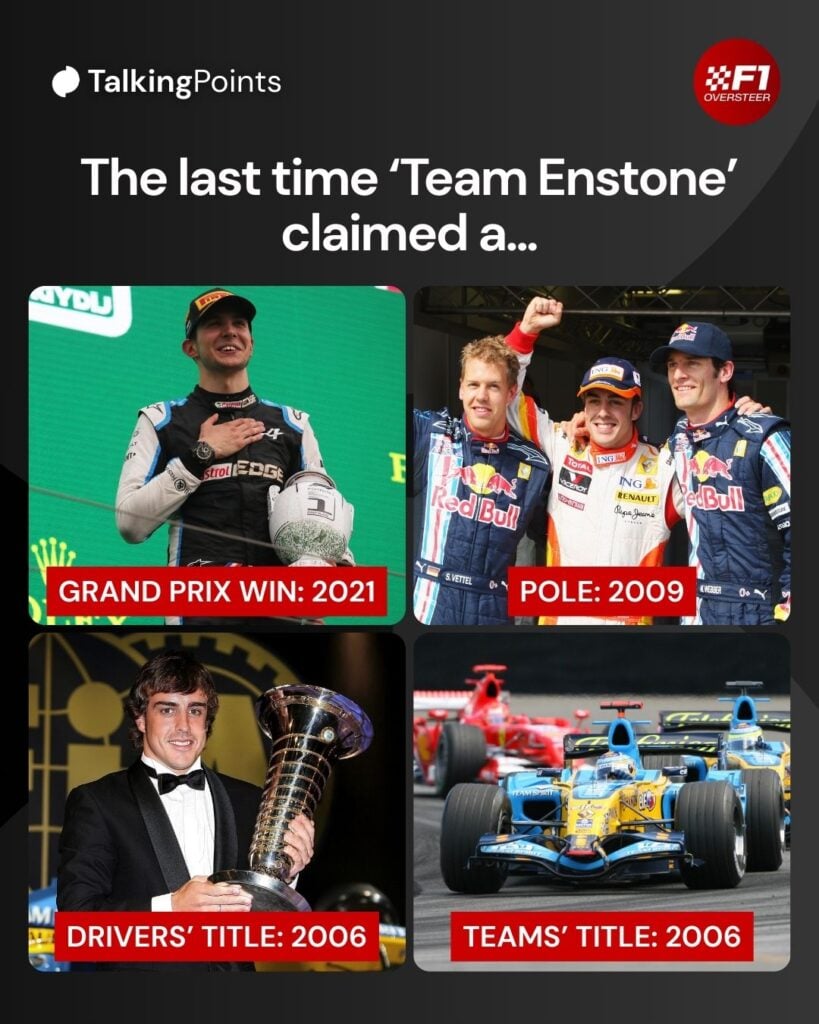
The Enstone outfit have entered a new chapter in their history this season, after the Renault Group decided to close the works engine division at its factory in Viry-Chatillon. Renault had built F1 engines intermittently since 1977, but it chose against committing to the 2026 rules.
Executive adviser Flavio Briatore obtained Alpine a Mercedes supply following Renault’s exit, with the team now receiving the engines that Aston Martin freed after their exclusive Honda deal. Briatore was only ever interested in Mercedes’ engine and agreed on a deal until 2030.
Alpine drivers Pierre Gasly and Franco Colapinto got their first real taste of Mercedes’ power unit built to the 2026 F1 regulations at the Barcelona shakedown test last week. F1 engines now boast a near 50/50 electrical/combustion power share and no longer have the MGU-H.
Alpine will hope to end their droughts in F1 now they have a Mercedes engine, but will they?
Steve Nielsen has never seen the top speeds that F1 cars reach under the 2026 regulations before
Alpine managing director Nielsen believes the Barcelona shakedown test was important for Gasly and Colapinto so they could begin to understand how they must manage their energy with Mercedes’ new power unit. Energy management will be a pivotal aspect of F1 in 2026.
READ MORE: Everything to know about the 2026 F1 engine, chassis and aero regulations
The top speeds that Gasly and Colapinto were able to reach in the Alpine A526 in Barcelona also stunned Nielsen, as he had never seen such speeds before. It is said that Mercedes hit a top speed of 347kmh (215mph) in Barcelona during the very first day of the shakedown test.
Nielsen told the F1 website: “A new PU supplier for us, we get to work with Mercedes. So, an awful lot to learn. I’m sure most of the teams here are doing the same stuff; getting to know the new PUs that we’ve got this year, the energy deployment, recovery, and so on, and with the new aerodynamic packages that we’ve all got.
“We shook down at Silverstone before coming here, and left there with probably more questions than answers. But we’ve been able to come here and work on some of that, particularly on energy recovery. That’s a big learning curve for us, and I think all teams.
“So, we’ve been focusing on that. It does involve driver input. And really just learning these new cars, massive straight-line speeds that we’ve not seen before, less downforce in the corners, and stuff. So, [there is] really a lot to learn for teams and drivers.”
Mercedes’ engine could give Alpine a big advantage in the 2026 F1 season
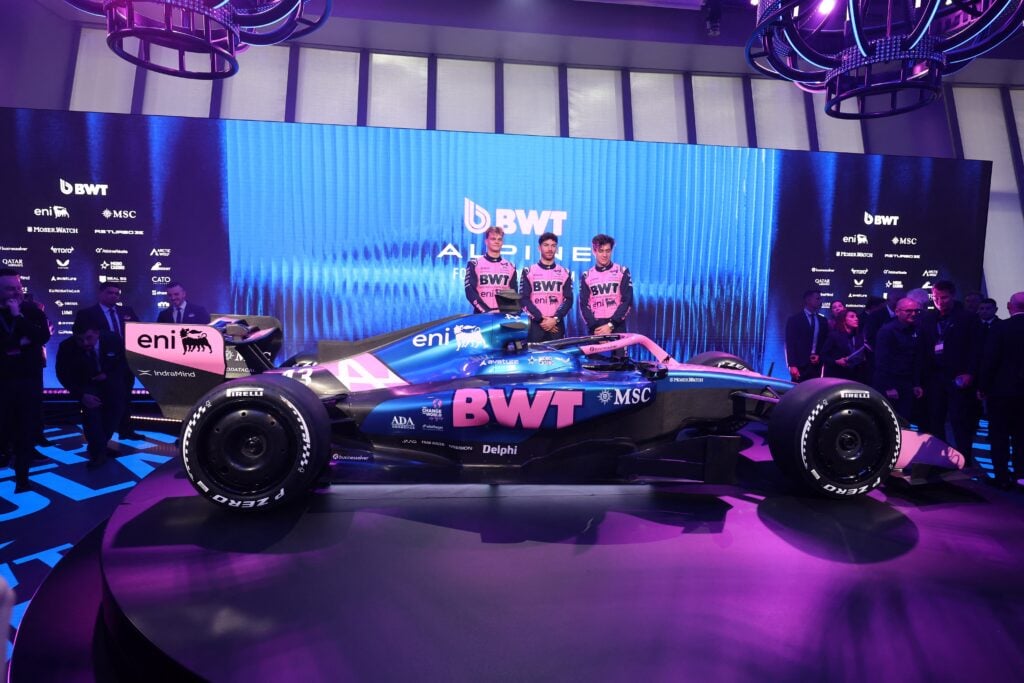
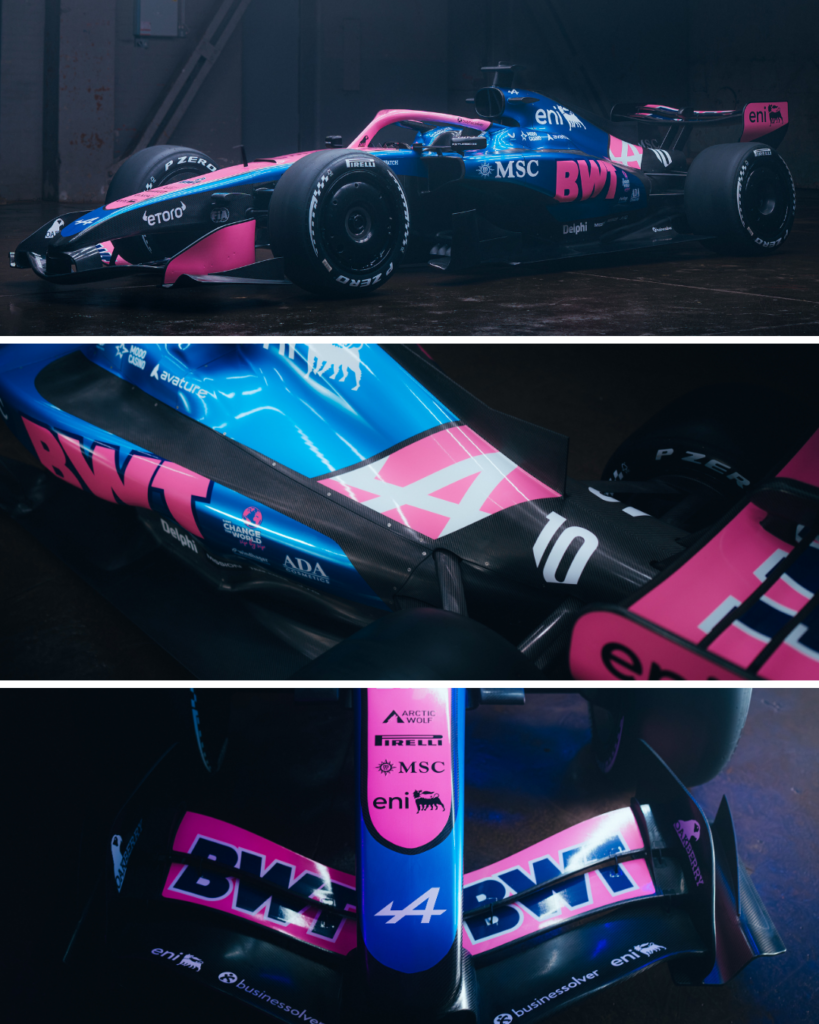
Alpine’s new era in F1 with Mercedes engines begins here. Rate their 2026 livery out of 10!
Haas driver Esteban Ocon recorded the highest top speed in Barcelona at the 2025 Spanish Grand Prix at 345kmh (214mph) with his Ferrari engine. Ferrari will continue to supply Haas in 2026, as well as Cadillac, while Mercedes supply Alpine as well as McLaren and Williams.
Having a Mercedes engine might prove to be a huge advantage, at least at the start of F1’s 2026 regulations era. Ferrari fear Mercedes found a loophole in F1’s 2026 engine rules that could be worth as much as four tenths of a second per lap, depending on the circuit layout.
Ferrari expect the FIA will allow Mercedes’ engine trick, which relates to increasing the rate of combustion from the 16:1 limit in the regulations to 18:1 during operation. Mercedes are convinced their trick is legal as the FIA only tests the combustion rate in ambient conditions.
Receive exclusive F1 news and updates twice a week to your mailbox