Lando Norris
 McLaren
 Mercedes
 Red Bull
 Ferrari
 Williams
 Racing Bulls
 Aston Martin
 Haas
Haas Alpine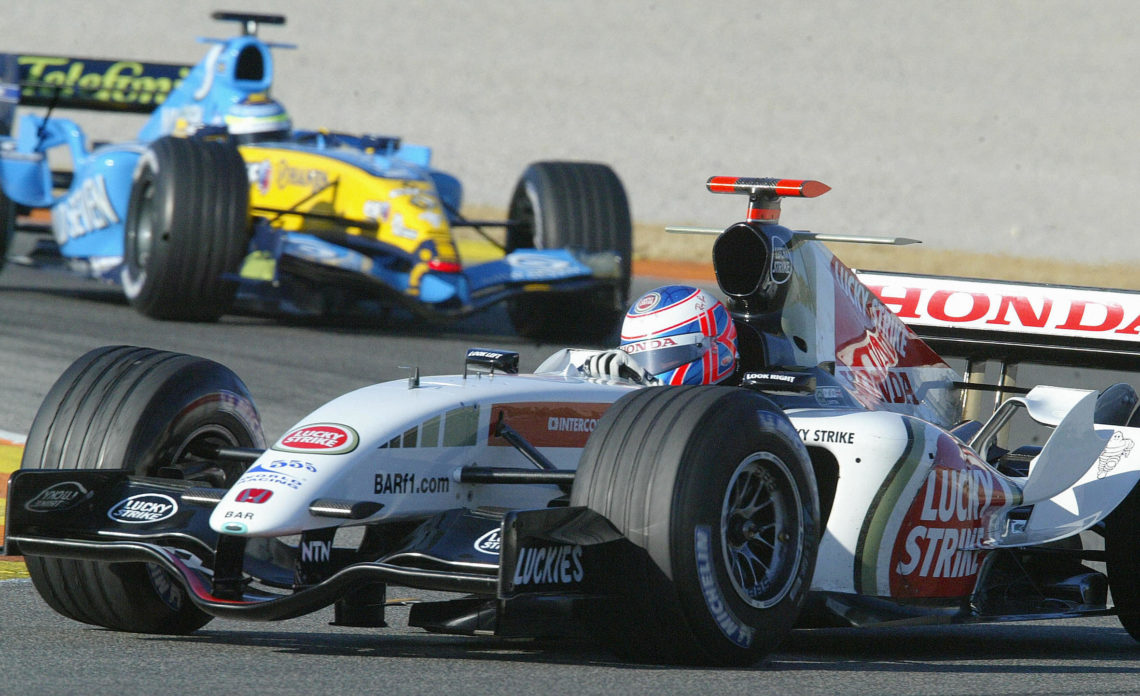

Formula 1 teams are known for pushing the limits of what is acceptable in the regulations, all in a bid to obtain an unfair advantage over their rivals.
The role of the sporting director within a team is designed to do exactly that: wade through both the technical and sporting regulations and see what they can get away with doing on their cars.
During the 2005 season, BAR Honda was off to a poor start. Their car was embroiled in controversy over the minimum weight, which was 605kg at the time, eventually being disqualified from one race and banned from another two.
Both Jenson Button and Takuma Sato failed to finish inside the top six for points, then at the next two races, their drivers were forced to retire with reliability issues.
Things looked like they would improve at the San Marino Grand Prix, with both drivers finishing in the points with Button crossing the line in third. However, a post-race inspection would later see him and Sato disqualified.
BAR Honda fails FIA minimum weight checks
After each Grand Prix the FIA conducts a series of checks on all cars to ensure they are at the legal weight limit. This means they must weigh the cars before and after the race, with drivers including George Russell previously falling foul of the rule because they did not meet the minimum weight.
During these checks after the 2005 San Marino GP, it was found that Button’s car had been under the 600kg minimum weight requirement when it was drained of fuel.
BAR Honda disagreed with the report, with team boss Nick Fry telling the BBC: “This team is owned by two blue-chip international corporations with huge integrity. Does anyone really think that we would deliberately do anything against the rules? We’ve hidden nothing.”
While the stewards cleared Button after six hours of checking the car post-race, the FIA took the unusual step of appealing the decision of its own stewards and it went to the International Court of Appeal.
It later transpired that the team had added a second fuel tank inside the main fuel bladder which couldn’t be drained when they weighed the car, potentially saving them up to 6kg. While it might not seem like much, 6kg can be worth around a quarter of a second per lap, or a total of 15 seconds in the race.
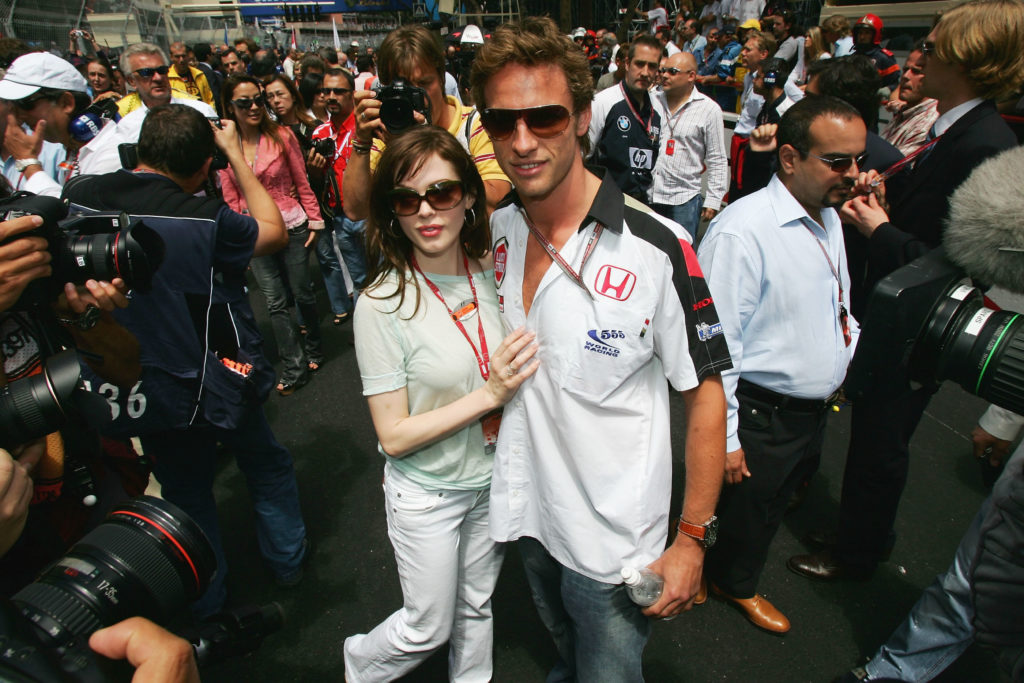
Jenson Button and BAR Honda banned by FIA for two races
The court of appeal ruled in favour of the FIA and stripped BAR Honda of the 10 points won between Button and Sato at Imola, while also banning them from taking part in both of the next two races on the calendar: the Spanish and Monaco Grands Prix.
BAR Honda was also given a further six-month ban that was suspended for 12 months, pending whether they commit any similar offences.
Writing in his column for The Sunday Times, Martin Brundle branded the ban on Button ‘complete lunacy’ and argued that the Briton would not have known about the technical infringement and should therefore not be punished.
“The consensus in the paddock is that BAR are guilty and have got off lightly. I don’t agree. It is right that they were disqualified from Imola and they probably should have received further points and financial penalties. But to disqualify them from performing in Barcelona is lunacy. Watching their trucks pull out on Friday made me very angry,” wrote Brundle.
Then President of the FIA, Max Mosley, used the term ‘cheat’ when criticising the team for its actions by claiming they knew the secondary fuel tank was in the car but did not inform the FIA of its purpose in good faith.
It capped off a torrid start to the season for BAR Honda, however, their fortunes changed in the second half of the season when Button achieved two podiums at the German and Belgian Grands Prix.
Receive exclusive F1 news and updates twice a week to your mailbox