Lando Norris
 McLaren
 Mercedes
 Red Bull
 Ferrari
 Williams
 Racing Bulls
 Aston Martin
 Haas
Haas Alpine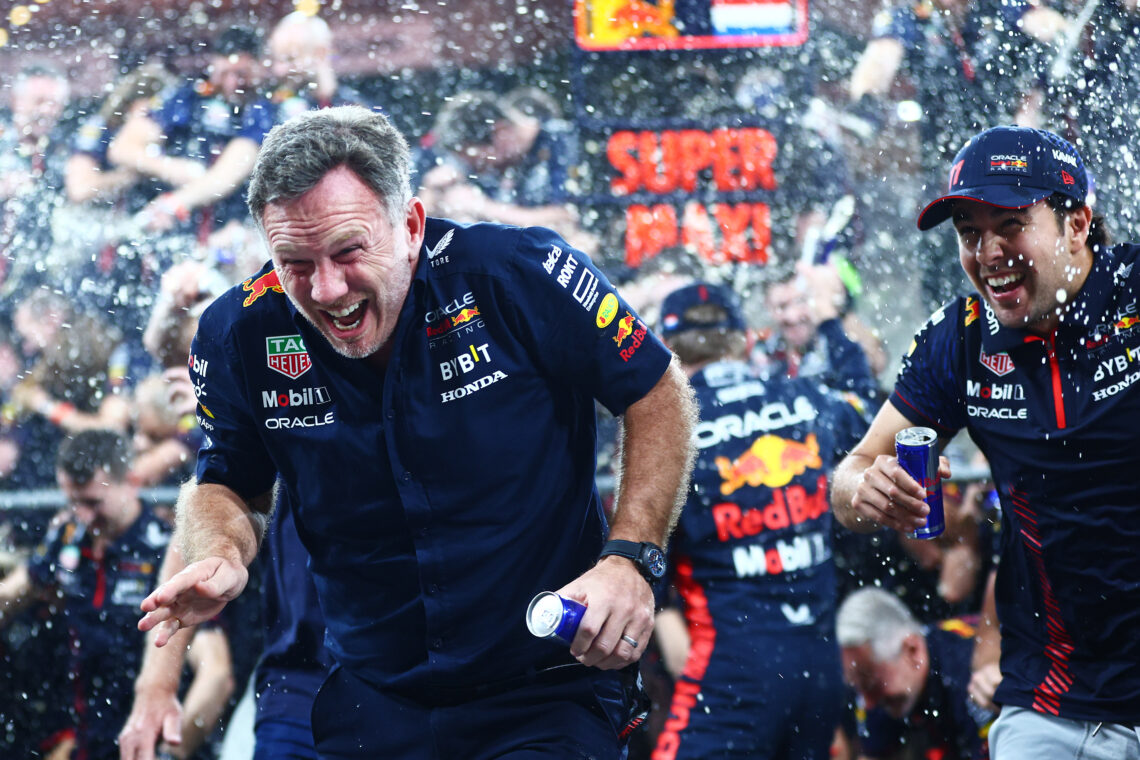


Christian Horner’s exit from Red Bull Racing has ended a 20-year partnership which saw the Austrian team win eight Drivers’ Championships and six Constructors’ Championships.
Horner was sacked by Red Bull on Wednesday after losing the support of a key ally within the team, with Laurent Mekies being named to be his successor in Milton Keynes.
The motorsport executive was appointed to head the newly formed Red Bull Racing in January 2005, becoming the youngest team principal in the sport at the time.
He also played a massive part in the acquisition of Adrian Newey as the team’s Chief Technical Officer in November of the same year. Since then, the team have become one of the most successful F1 racing outfits of the 21st century and has been at the centre of numerous dramatic moments on track.
5. 2016 Spanish Grand Prix
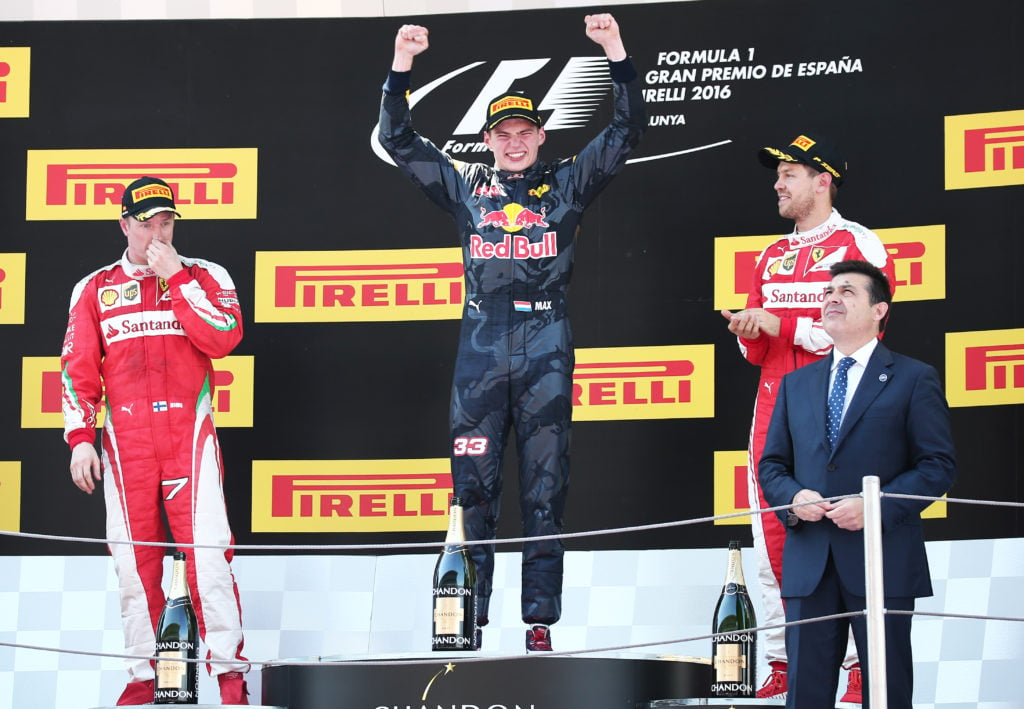
Max Verstappen’s first race for Red Bull was nothing short of a fairy tale. The 18-year-old swapped seats with an out-of-form Daniil Kvyat and wasted no time in making his mark within the team.
After qualifying in fourth place in Barcelona, the Dutchman was immediately up to second place following the infamous Mercedes entanglement, which saw Lewis Hamilton and Nico Rosberg take each other out whilst heading towards turn four.
Daniel Ricciardo inherited the lead from the Mercedes, but Verstappen’s raw talent helped him nail a two-stop strategy and take the lead from his Red Bull team-mate.
The youngster then held off attacks by the Iceman himself, Kimi Raikkonnen, before taking the chequered flag to become the youngest ever Formula 1 Grand Prix winner.
4. 2018 Azerbaijan Grand Prix
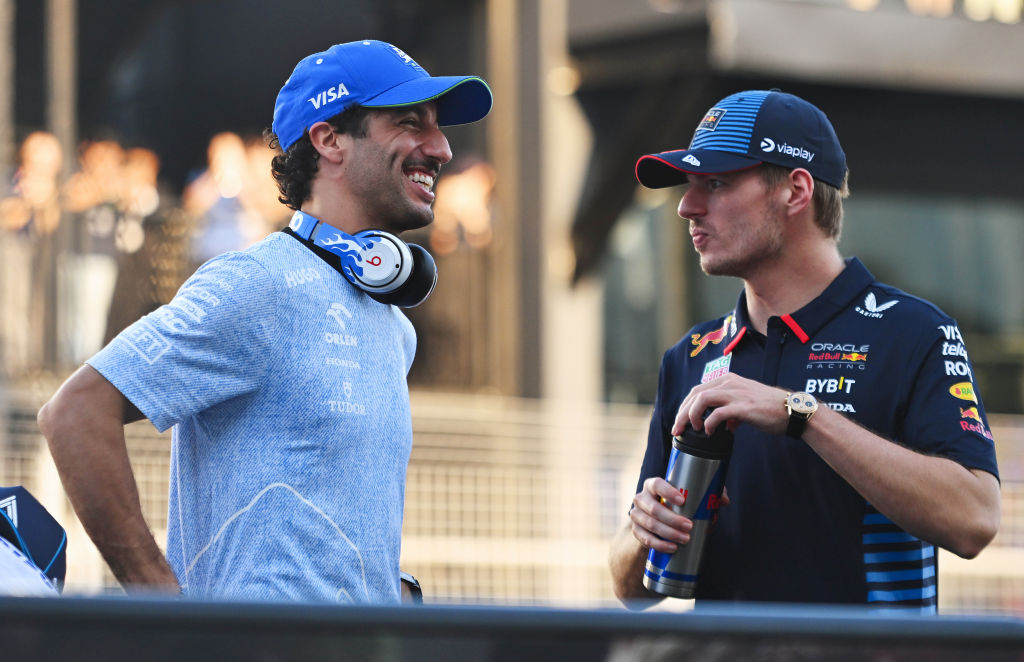
From elation in Barcelona to pure fury in Baku, Horner was said to be furious in regards to the events that took place between Verstappen and Ricciardo at the 2018 Azerbaijan Grand Prix.
Whilst running fourth and fifth on lap 40 of the race, Ricciardo attempted an overtake down the inside of turn one, which was met with a late defensive move by his Dutch counterpart.
The RB14s made contact, with the Australian smashing straight into the back of Verstappen and sending them both into early retirements from the race.
Horner made both drivers apologise to every single member of Red Bull staff present at the time, and the FIA handed both of them an official reprimand for the incident.
3. 2012 Brazilian Grand Prix
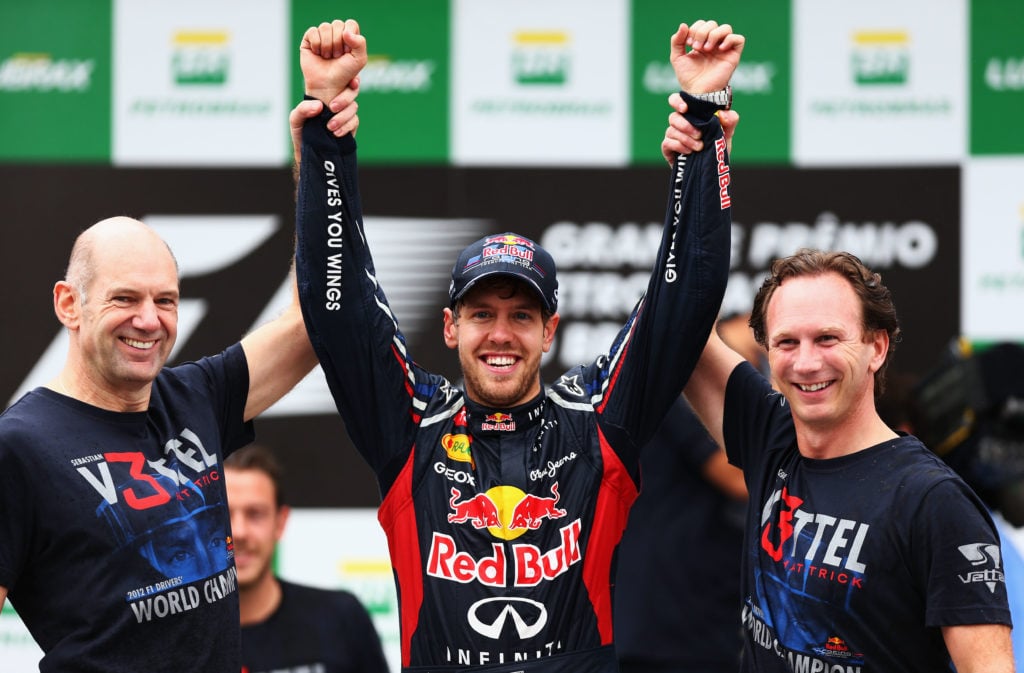
Heading into the final race of the 2012 season, Sebastian Vettel held a narrow 13-point lead to Ferrari’s Fernando Alonso as they both hunted their third World Championship.
Vettel, who only needed to minimise Alonso’s points haul, got off to the worst possible start after colliding with Bruno Senna at turn four of the first lap. The RB8 suffered side-pod damage and found itself in 22nd position at the very back of the pack.
The German’s radio had also failed, so when he boxed later on in the race for some intermediate-weather tyres, he lost valuable time waiting for his pit-crew, who weren’t ready to go.
Vettel ended up clawing his way back to sixth place, doing enough to take the trophy out of Alonso’s hands and into his own for the third consecutive year.
2. 2013 Malaysian Grand Prix

The dynamic between Vettel and Mark Webber during the 2013 season was reaching a boiling point. Vettel was already highly successful, winning three consecutive World Championships with his sights set on a fourth.
However, Webber, who had played second fiddle to Vettel for those three championships, was keen to taste his own success and become immortalised as an F1 World Champion.
Vettel started the race from pole, but his Australian team-mate seized the lead in the early stages of the race, with the duo maintaining a gap to the Mercedes cars behind.
As the race headed towards the chequered flag, Red Bull ordered both of their drivers to maintain position with the now infamous orders heard over the radio as ‘Multi-21’.
The young German ignored the orders to turn down his engine mode and passed Webber with 13 laps to go, taking his first win of the season and fracturing the relationship between the two drivers for the rest of the season.
Vettel received backlash from the team, fans and the media for his antics, but some argued that he was simply following the spirit of motor racing.
1. 2021 Abu Dhabi Grand Prix
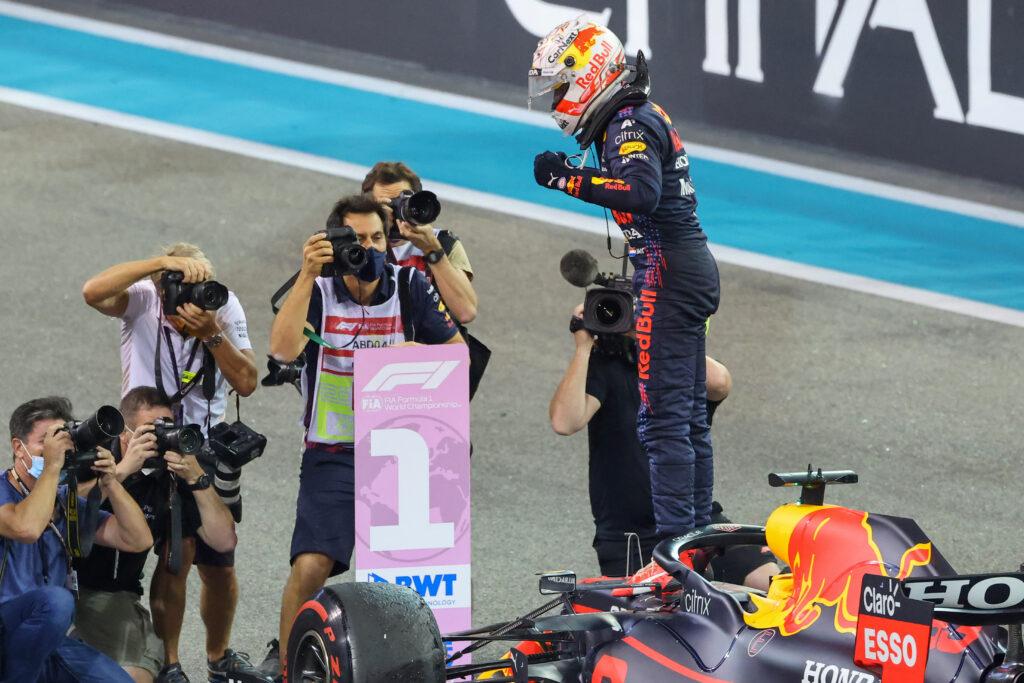
Thus, we reach, arguably, the most controversial and dramatic Formula 1 Grand Prix in history. Verstappen and Hamilton had been trading blows throughout the entirety of the 2021 season, culminating in a shootout at the Yas Marina Circuit in Abu Dhabi.
It was simple: whoever finished above the other would be deemed the 2021 F1 World Champion.
Verstappen started on pole position, but it was Hamilton who was fastest off the line to take the lead of the race at the first corner. The Brit built up a comfortable gap to the Dutchman before Nicholas Latifi’s crash brought out the Safety Car with five laps remaining.
A controversial call by race director Michael Masi to unlap a certain string of cars and bring the Safety Car in a lap early meant Verstappen, who had boxed for fresh tyres, would have a one-lap shot at dethroning the seven-time World Champion.
Verstappen wasted no time and went down the inside of Hamilton at the first opportunity. The Brit was unable to fight back, conceding the championship to Red Bull for the first time in eight years.
Receive exclusive F1 news and updates twice a week to your mailbox