Lando Norris
 McLaren
 Mercedes
 Red Bull
 Ferrari
 Williams
 Racing Bulls
 Aston Martin
 Haas
Haas Alpine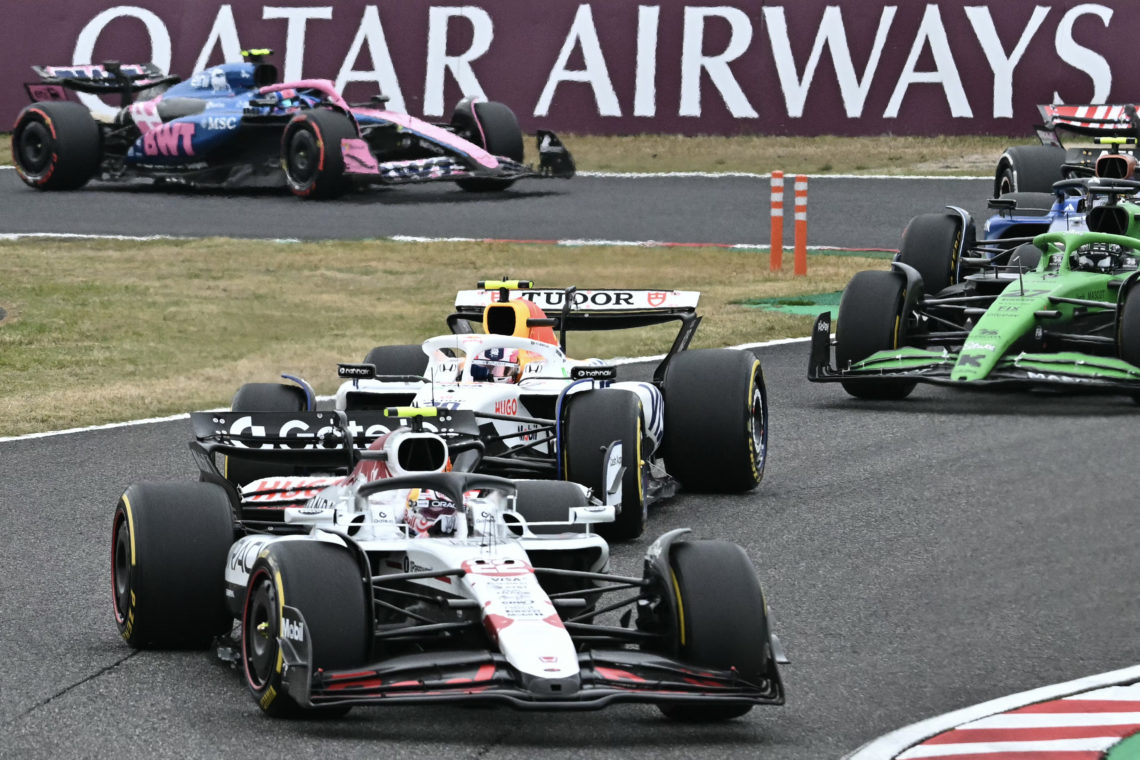


The Japanese Grand Prix was not a thriller but it did show that Max Verstappen is still in the hunt for a fifth title, despite McLaren’s superior pace.
Suzuka was expected to be another high tyre degradation circuit, which is why many teams were fearful of what might happen after being left in the dark due to all the stoppages in FP2.
Teams usually do their race runs in the afternoon practice session as it is the session that is most representative of the race conditions, while it is also as they fine-tune their setups and get a read on the rest of the weekend.
As it turned out, the Japanese GP was won on Saturday with just one exchange of position during the race on Sunday in the top ten between Isack Hadjar and Lewis Hamilton for P7.
Part of this was down to the lack of tyre graining, which did not produce a tyre offset for any driver to attempt an undercut. It also threw up another issue highlighted by Nico Hulkenberg when speaking to Motorsport Total.
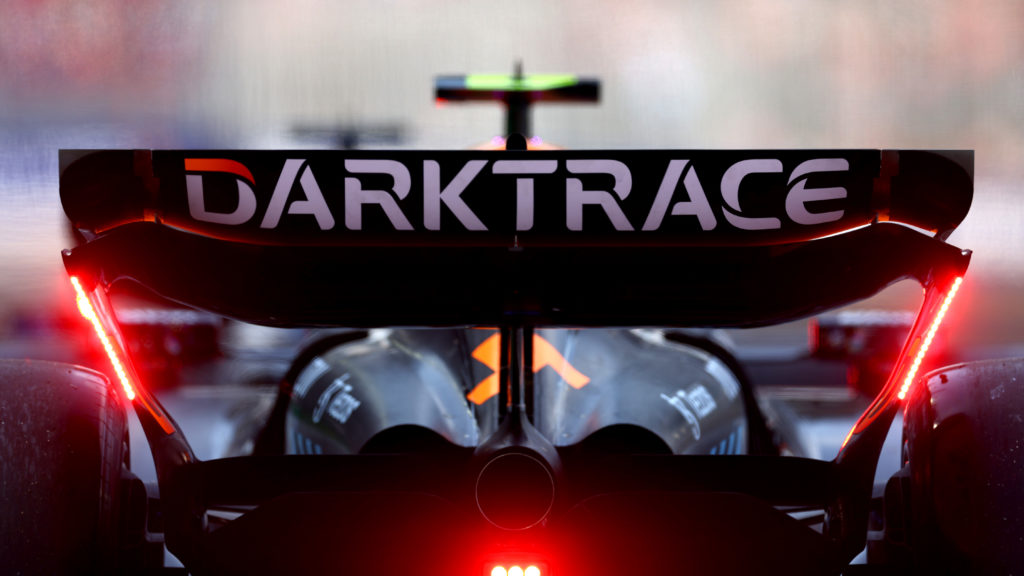
Nico Hulkenberg highlights return of F1’s dirty air problem
The effects of the lack of tyre graining on Sunday were not only seen in the top ten. Further down the order, drivers struggled to make any progress.
Hulkenberg started from P16 on the grid and after getting a good start, he effectively stayed in that position for the rest of the 53 laps.
“It’s so difficult with these cars. The effect of the ‘dirty air’ gets a little worse every year,” said Hulkenberg.
“Now, with the new asphalt [in Suzuka] and the low tyre wear, it’s very difficult to do anything.”
Fred Vasseur believes it could end up being a season-long issue, potentially leading to a “qualifying world championship” when speaking to Autosport.
Why is it so difficult for cars to follow in F1?
When F1 introduced the 2022-spec regulation package, they wanted to cure a problem that has persisted for several years; cars being able to follow each other.
The ‘dirty air’ effect generated by external wings puts more stress on tyres because the aerodynamic wake from the lead car makes the following car more unstable in high-speed corners and causes them to slide more, inducing more wear on the sensitive Pirelli tyres.
F1 sought to solve this by exploiting ground effects, therefore reducing the need for cars to rely on external wings and reducing the amount of air that impacts the car directly behind. F1’s research claimed that a 2021-spec car could lose up to 47% downforce when it was 10m behind. That was set to be reduced to 18% at 10m and as low as 4% at 20m behind.
The goal was to create closer racing, but as the cars have evolved in the last four years, the teams have found ways to exploit them. Floors have become more complex and rear wings have strayed from their original design of having the top flap loop into the upper element. This is partially why FIA has put emphasis on flexible wings, as this directly impacts this issue.
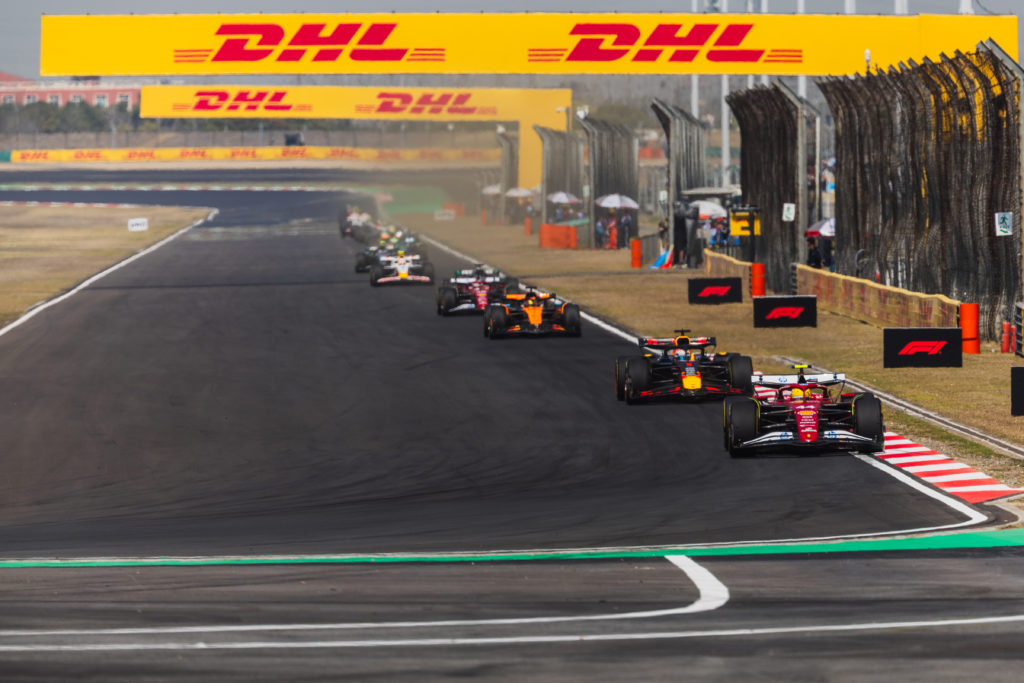
Clean air is king in F1 2025
The net result was on full display at Suzuka, as Lando Norris struggled to get within a second of Max Verstappen. Coupled with the high-speed nature of the figure-of-eight circuit, you had a stagnant race and it will likely be an issue at other circuits this year.
This is unlikely to improve as the season progresses, as the teams will be adding developments specifically designed to generate more downforce. A net product of that is the dirty air that drivers hate.
Lewis Hamilton’s Sprint race victory in China showed just how important it is to have clean air; he could dictate the pace without facing any challenge from Verstappen or Piastri knowing if he got close that it would impact his tyre wear.
F1’s 2026 regulations may improve the situation next season, as drivers will have the option of a power unit override mode to help to overtake. But as it stands, F1 is going to see this problem arise more often in 2025 and it could impact the title battle.
Receive exclusive F1 news and updates twice a week to your mailbox