Lando Norris
 McLaren
 Mercedes
 Red Bull
 Ferrari
 Williams
 Racing Bulls
 Aston Martin
 Haas
Haas Alpine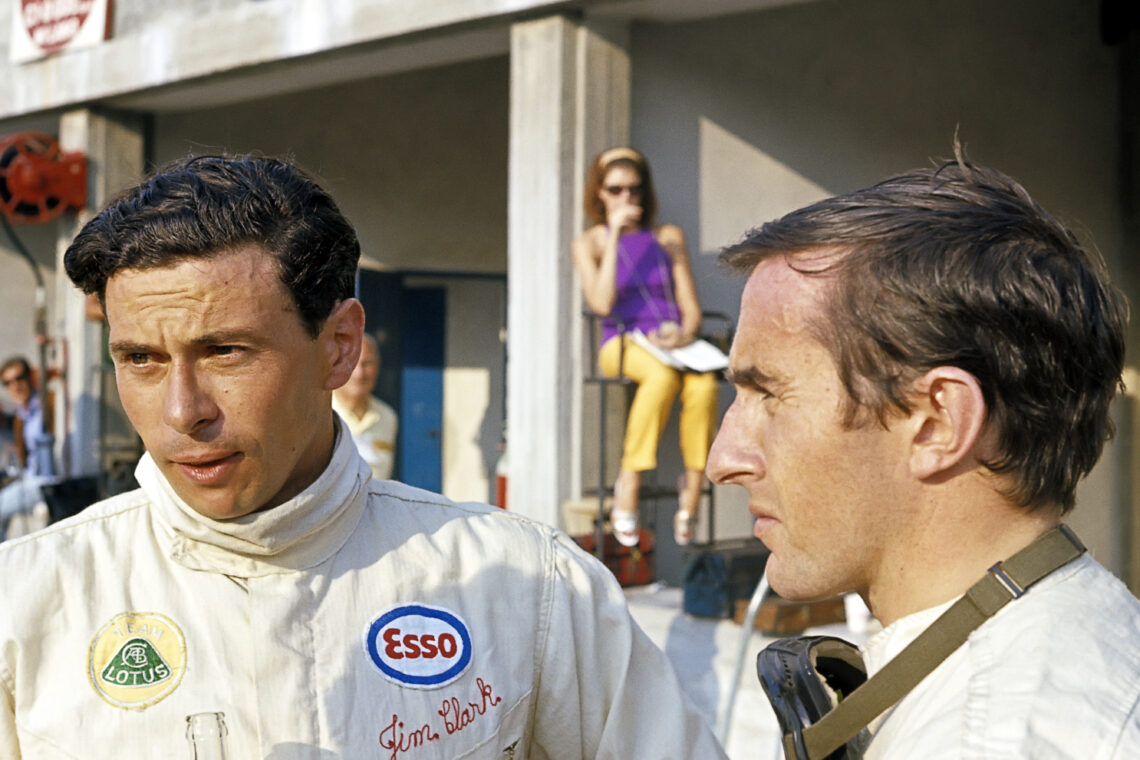


Jackie Stewart will always be widely regarded as one of the greatest Formula 1 drivers of all time.
After winning the British Formula Three championship with Tyrell in 1964, stepping up into F1 was the natural next step for Jackie Stewart.
Unsurprisingly, the Flying Scot had plenty of options available to him on the grid.
Ferrari had John Surtees on their books, while Jack Brabham was still racing for the team that bore his name.
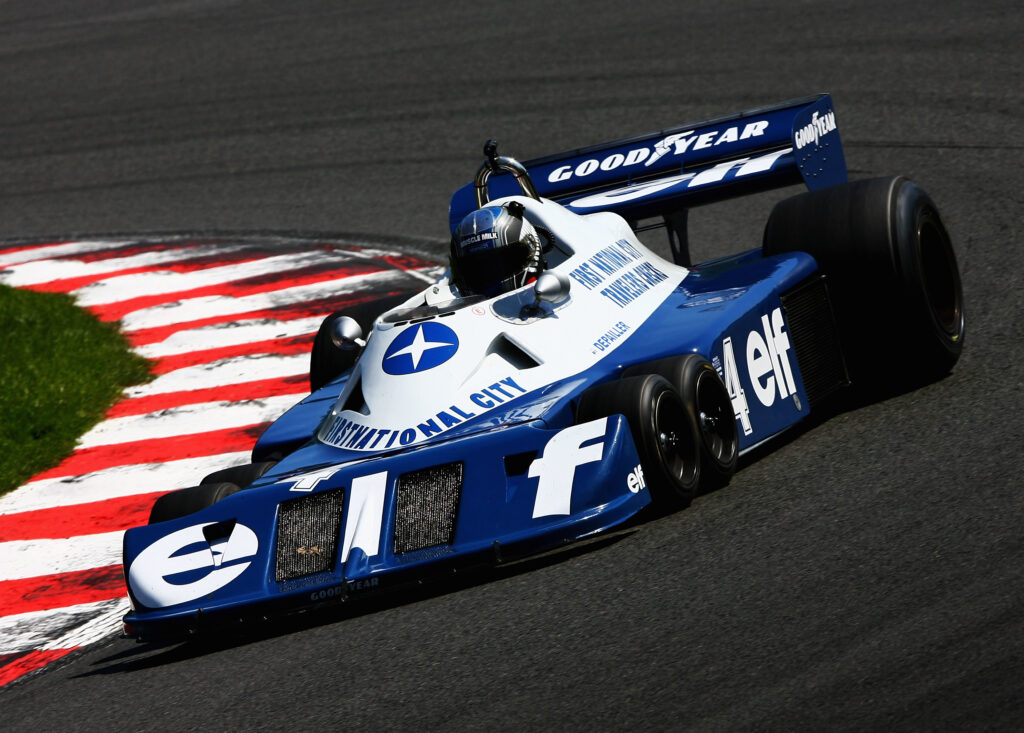
Which CRAZY Formula 1 car design would you like to see return one day?
Stewart could have chosen to stay with Tyrrell or move to either Lotus or BRM, ultimately choosing the latter.
It meant teaming up with Graham Hill, but Stewart has now admitted that he turned down a move to 1963 champions Lotus because he didn’t want to go up against the legendary Jim Clark.
Stewart thought Clark was unlike any other driver in F1 history, and has now explained why being his teammate would have been more of a hindrance than an opportunity to learn from the great man.
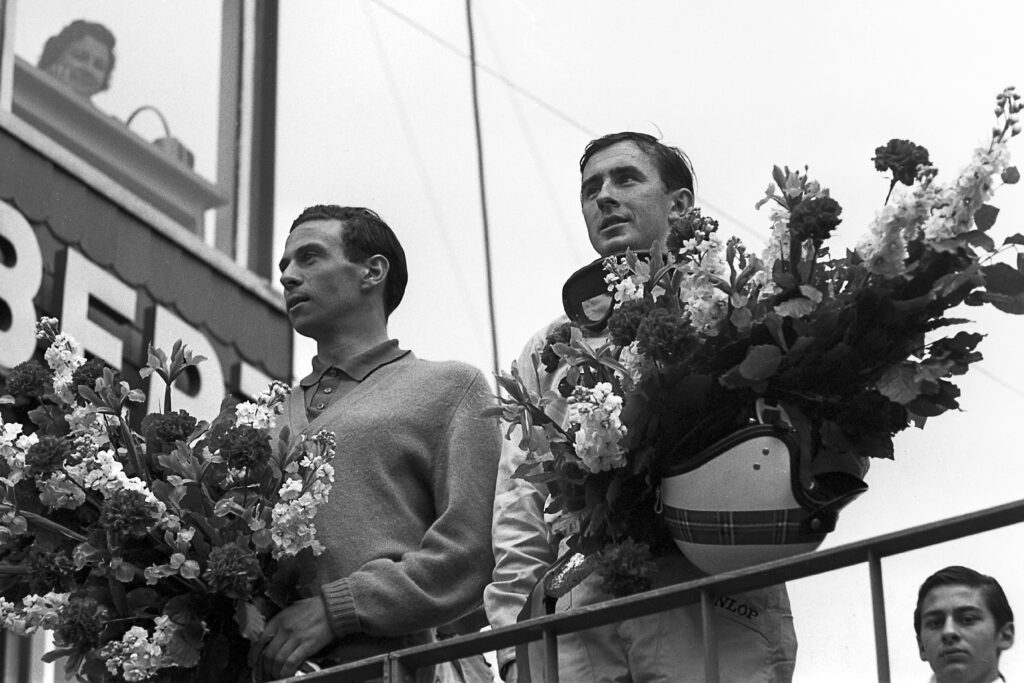
Jackie Stewart didn’t want to be Jim Clark’s Lotus teammate on his Formula 1 debut
Stewart took part in a documentary called Lords of Carbon 2 – Dance of Danger, and was asked about his first season in Formula 1. He said: “Ken Tyrrell was a remarkable man.
“He could handle any type of people, whether they be multi-millionaires, whether they be common people, whether they be engineers and mechanics.
“He had a very good connection with people, a very good man. And I learned a lot from him in Formula 3 to begin with.
“I won the Monaco Formula 3 race, my first time abroad driving, which was a big deal because in those days, when the Formula 3 racing driver won the Grand Prix of Formula 3 in Monaco, they sat in the black tie dinner next to Princess Grace.
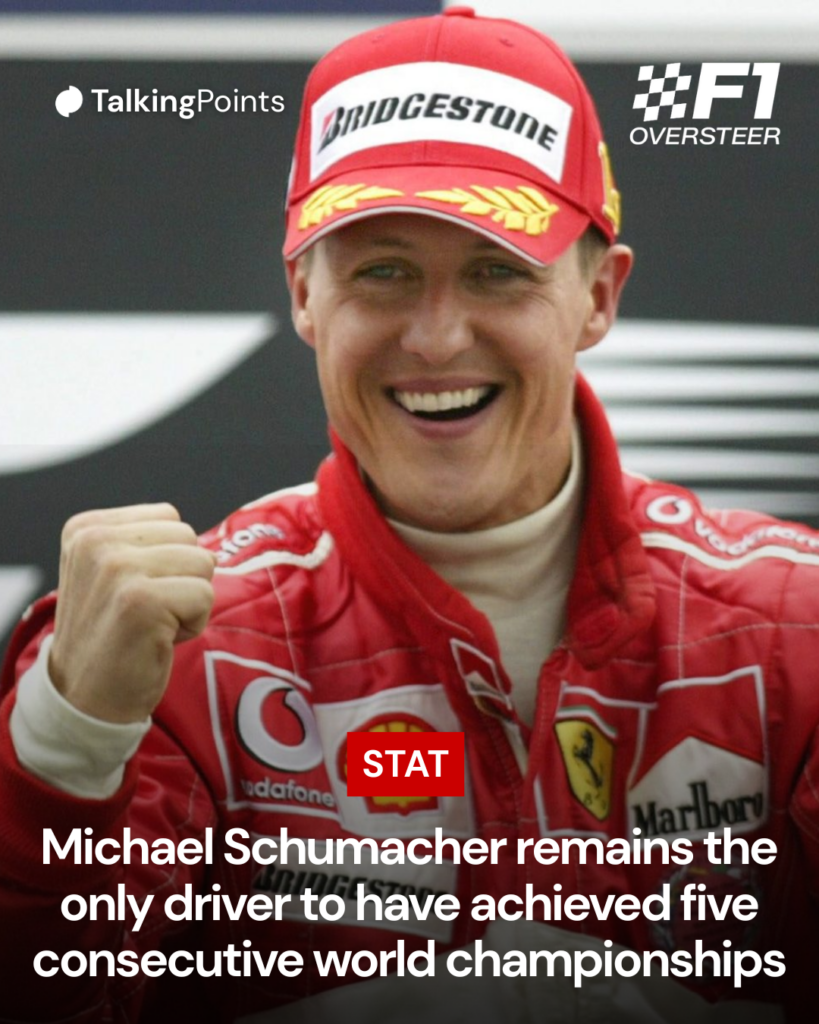
Do you think another driver will ever be able to match Schumacher’s feat?
“Anyway, I won most of the Formula 3 championships and won the British and the European championship of Formula 3, and then was spotted by BRM, by Lotus and by Cooper.
“I could have driven for any of them, but I chose BRM because I thought Graham Hill would be a good man for me to study.
“Jim Clark was a very good friend by then, but Colin Chapman and Jim Clark were like husband and wife, and there was none of the drivers in the team with Jim Clark that seemed to get anywhere.
“There were good drivers, but Jim Clark was so good that he was the number one. So, I went with BRM. I had a very nice relationship with them, a wonderful company.
“Graham Hill was terrific. He taught me all the things I needed to learn, and I won the Grand Prix of Italy that year, and I think I came third in the World Championship in my first year, which was, for me, pretty important.”
READ MORE: George Russell snubs Ayrton Senna’s hero as he names his Mount Rushmore of British F1 drivers
How Jim Clark gained a reputation for being one of Formula 1’s greatest ever drivers
Stewart would go on to win three world championships in 1969, 1971 and 1973, the first while racing for Matra, who were managed by Tyrrell, who then fully took over the team in time for the Scotsman’s second and third titles.
He called time on his F1 career ahead of his 100th start at the 1973 United States Grand Prix after the death of his close friend Francois Cevert, who was destined to become Tyrrell’s number one driver the following season.
Clark was another of Formula 1’s great drivers who suffered the same fate.
Ayrton Senna considered Clark his hero, and while he only won two championships, everything points to Stewart’s fellow Scot achieving far more had he not been killed during a Formula 2 race held in Germany in 1968.
Clark won 25 of the 72 F1 races he started and took 33 pole positions. He could still be considered today to be Lotus’ greatest-ever Formula 1 driver.
Stewart will feel he made the right call not going up against Clark directly during his debut season, where he still managed to finish third in the championship and win at Monza, while taking three more podiums.
Clark still came out on top as champion, with only Stewart’s new teammate, Hill, splitting them in the standings.
Receive exclusive F1 news and updates twice a week to your mailbox