Lando Norris
 McLaren
 Mercedes
 Red Bull
 Ferrari
 Williams
 Racing Bulls
 Aston Martin
 Haas
Haas Alpine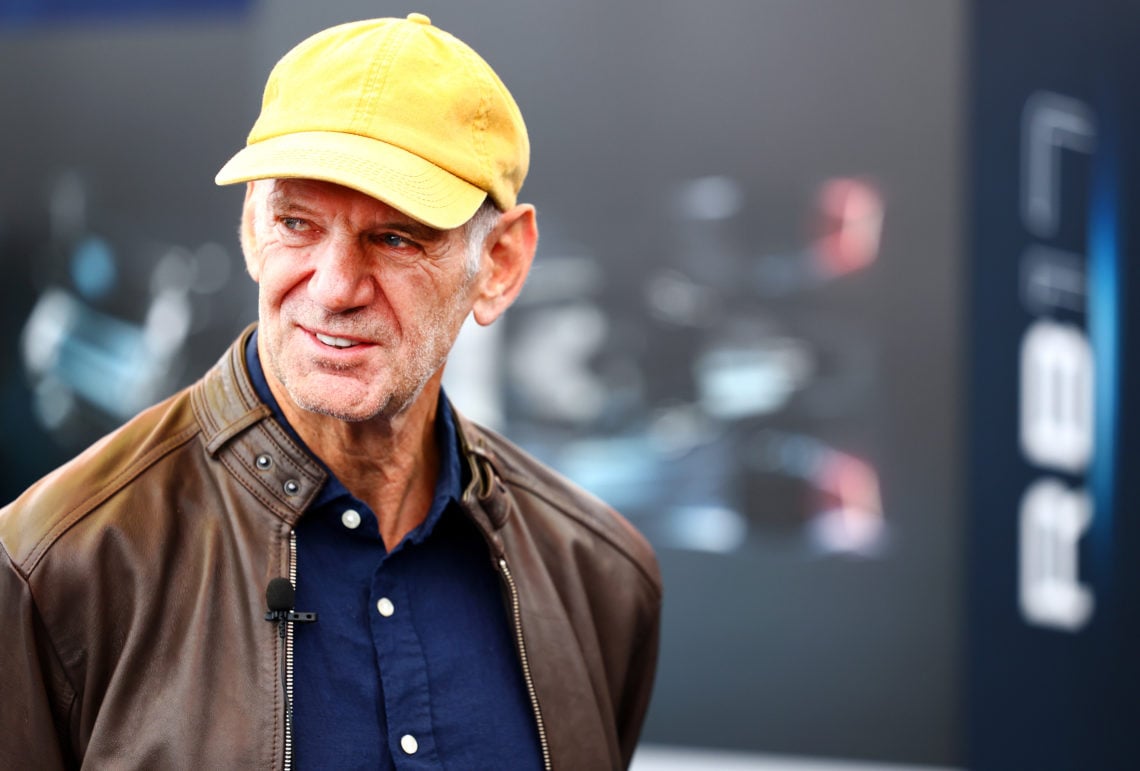


Adrian Newey is known for producing some of the most successful cars in Formula 1 history, but it hasn’t always gone to plan for the legendary designer.
In 2002, McLaren was facing another season on the backfoot to Ferrari and the team was warned that it could face another season finishing second-best if they stuck to the same formula.
After winning titles with Mika Hakkinen in 1998 and 1999, McLaren had been runners-up in 2001 with Briton David Coulthard. The MP4-16 was a good chassis, but it wasn’t developed enough to keep up with Ferrari or new rivals Williams who were relishing success with their new BMW-powered engines.
McLaren was running Mercedes-Benz engines which, at the time were less powerful than the BMW and less reliable than Ferrari’s efforts. Add to that, the team had moved into its new factory which Newey branded as “reminiscent of something from Fritz Lang’s Metropolis” which he did not admire.
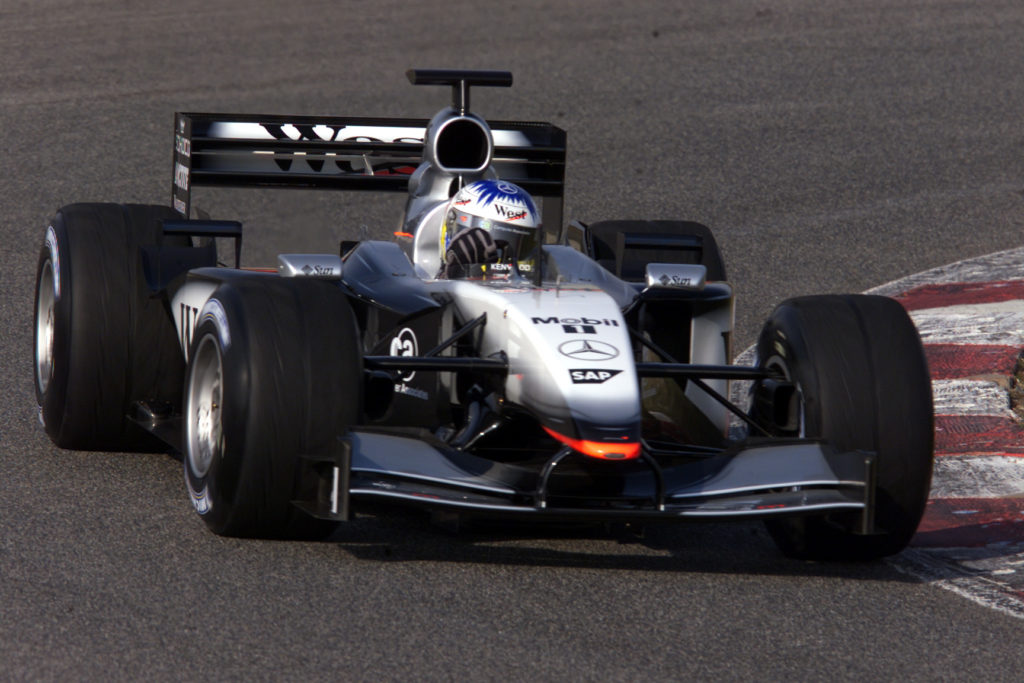
A change in order was needed for 2002 and the MP4-17 was supposed to be that, with the team also signing young hotshot Kimi Raikkonen to replace Haikkinen. Despite promising results in the wind tunnel, Newey claimed the car quickly turned into a “problem child” and explained the issues they faced in his book: How to Build a Car.
Adrian Newey frustrated by ‘problem child’ McLaren MP4-18
Newey had already created a major stir within McLaren with a move to Jaguar, which fractured relationships with CEO and team principal Ron Dennis. A further nail in the coffin of his McLaren relationship followed in a debacle over the unraced MP4-18, which stemmed from the problems they encountered with the MP4-17.
“Metropolis-McLaren was not an environment in which I flourished. The 2002 car, the first to be produced as a product of this Matrix system, was a bit of a clumsy design, certainly not one of my best, so for 2003, feeling that we needed to make big strides to catch up with Ferrari, we embarked on an ambitious design, much more tightly packaged, with very different aerodynamics,” wrote Newey.
“It turned out to be a problem child. Yet again I was stuck with a car that was giving good numbers in the wind tunnel and should have been a huge leap forward from the previous year’s model, but that was in fact aerodynamically unstable on the track, giving me unpleasant flashbacks to the 1989 Leyton House design and the start-of-season 1994 Williams that Ayrton battled with.
McLaren eventually identified the issue was down to the design of the sidepods, and the solution required McLaren to develop a new chassis. A vote was called between the technical heads: Neil Oatley, Martin Whitmarsh, Paddy Lowe, Pat Fry, Mike Coughlan, and Peter Prod.
When Newey lost the vote to change the chassis in favour of making it more reliable, he was very unhappy: “I have to admit, I totally lost it. Called Martin [Whitmarsh] all the names under the sun and stormed out – not necessarily my proudest moment. Not only did I feel strongly it was the wrong decision, but also my opinion had been squashed by a committee – effectively I was no longer technical director.”
Did Adrian Newey eventually get his way at McLaren?
A poor start to the 2004 season with a b-spec of the MP4-17 was used due to the reliability problems they faced with the MP4-18.
Although the MP4-18 featured some F1 innovations that were in their infancy, such as the blown diffuser, it never got to race in anger.
As the team failed to make improvements to the reliability of the MP4-17, this eventually led to Newey getting his way, with Dennis approving the monocoque redesign for MP4-19.
The new chassis was introduced midway through the 2004 season, with Coulthard qualifying in third for the French GP followed by further podiums and a win at the Belgian GP for Raikkonen.
Receive exclusive F1 news and updates twice a week to your mailbox