Lando Norris
 McLaren
 Mercedes
 Red Bull
 Ferrari
 Williams
 Racing Bulls
 Aston Martin
 Haas
Haas Alpine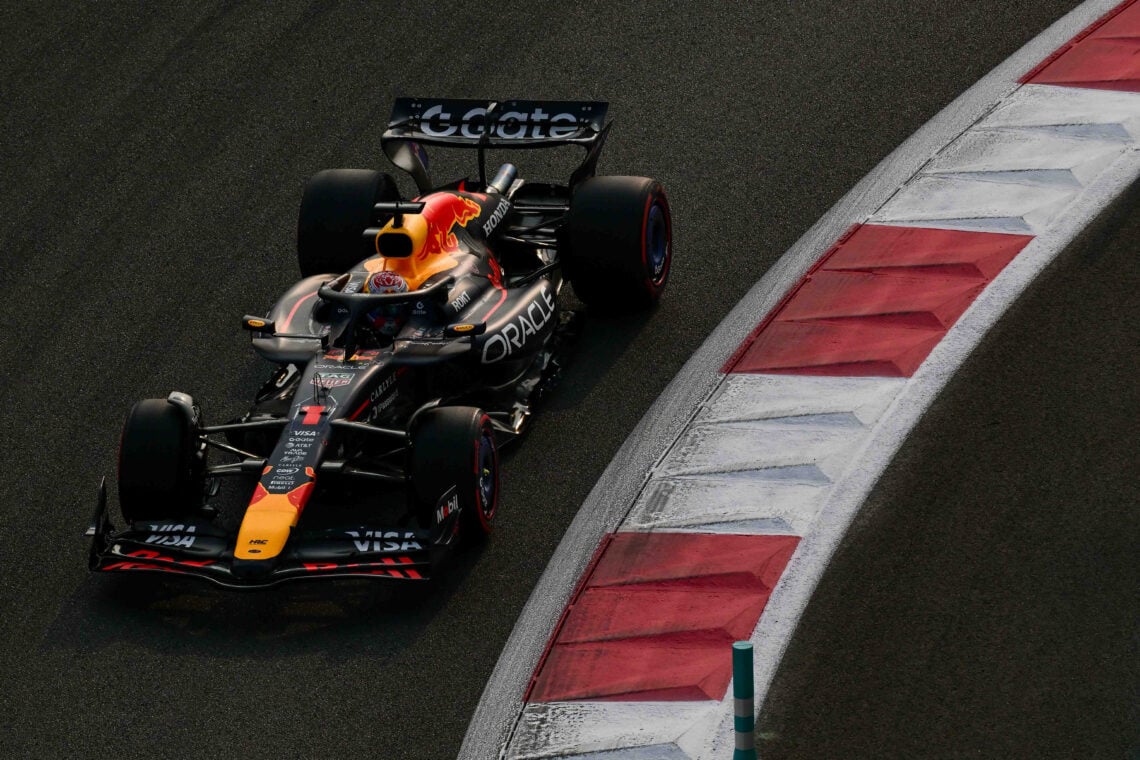


All Formula 1 drivers must select a number to use throughout their F1 career, with many selecting digits that mean something to themselves and their career.
Driver numbers were previously a fixed feature, with no option to reselect different digits if a more preferred option became available.
However, ahead of the 2026 season, the FIA announced that drivers will now be able to change their number if they want to, meaning rookies who had joined when their preferred number was locked can now select those digits if they so choose.
Driver numbers were introduced in 2014 to make it easier for fans to identify their favourite drivers during the race. Previously, each driver was given their digits based on the constructors’ championship standings from the previous season, meaning that drivers had no real attachment to their numbers.
With permanent race numbers being introduced, it meant that the reigning world champion could now decide to change his number to #1 or opt to keep his chosen digits.
Most drivers have chosen a number which has a personal meaning to themselves or their career, so F1 Oversteer have taken a look at the stories behind each driver’s number.
F1 driver race numbers in 2026
There will be 22 drivers on the grid in 2026 who will each have their own unique number to help identify them.
| NUMBER | DRIVER | TEAM |
| 1 | Lando Norris | McLaren |
| 3 | Max Verstappen | Red Bull |
| 5 | Gabriel Bortoleto | Audi |
| 6 | Isack Hadjar | Red Bull |
| 10 | Pierre Gasly | Alpine |
| 11 | Sergio Perez | Cadillac |
| 12 | Kimi Antonelli | Mercedes |
| 14 | Fernando Alonso | Aston Martin |
| 16 | Charles Leclerc | Ferrari |
| 18 | Lance Stroll | Aston Martin |
| 23 | Alex Albon | Williams |
| 27 | Nico Hulkenberg | Audi |
| 30 | Liam Lawson | Racing Bulls |
| 31 | Esteban Ocon | Haas |
| 41 | Arvid Lindblad | Racing Bulls |
| 43 | Franco Colapinto | Alpine |
| 44 | Lewis Hamilton | Ferrari |
| 55 | Carlos Sainz | Williams |
| 63 | George Russell | Mercedes |
| 77 | Valtteri Bottas | Cadillac |
| 81 | Oscar Piastri | McLaren |
| 87 | Ollie Bearman | Haas |
Lando Norris confirms he will use the number 1 in 2026
Lando Norris has revealed he will change from his iconic number 4 to the number 1 after winning the 2025 Formula 1 drivers’ championship.
The number 1 is reserved only for the reigning world champion, meaning that Max Verstappen has handed the number to Norris for next season.
Verstappen had used the number since winning his first title in 2021, keeping ownership of the historic number between 2022 and the end of the 2025 season.
Norris was immediately asked to make the decision about his 2026 number following his championship victory in Abu Dhabi and opted to make the switch from his usual number 4.
The Brit told Sky Sports News: “”It’s tradition, it’s there for a reason. It’s there because you can go and try grab it and you can work hard to try and get it.
“All of us as a team that gets to have a role in McLaren, or my car, will get to wear that with pride. It’s all my mechanics, my engineers, everyone that’s part of McLaren gets to have that acknowledgement too.
“So, it’s not for me, it’s for them as well. It’s their pride, knowing that they put a lot of work and effort into everything that they can also go ‘we’re number one’.
What number will Max Verstappen race with in 2026?
Before using the number 1 between 2022 and 2025, Verstappen had previously competed under 33, although it has since been announced that the Dutchman will not return to his former number in 2026.
With the new regulations for next season stating that a driver can change their previously selected driver number, it is now being reported that Verstappen is will take the number 3 next season.
Due to other rulings in place, which say that a number is held for a driver for two years after they leave Formula 1, Ricciardo’s number 3 technically could not be used until September 2026.
However, a loophole in the regulations meant that Verstappen could seek formal permission from Ricciardo, and the Australian could formally waive the right to his number and end the two-year waiting period.
Considering the Dutchman’s relationship with his former teammate Ricciardo, and the eight-time race winner’s stance on returning to F1 in the future, it comes as no surprise that Verstappen will make the swap to the 8-time race winners number.
Give Max Verstappen’s 2025 Formula 1 season a rating out of 10
Is there anything he could have done better this year?

2026 F1 driver numbers and why they were chosen
McLaren
Norris had previously said there was no story behind selecting the number 4 and hadn’t previously competed with the number before Formula 1. The Brit is known to be a massive fan of MotoGP legend Valentino Rossi, and whilst not wanting to be a “copycat”, took the number 4 from Rossi’s #46.
Oscar Piastri competes with the number 81, which he uses sporadically during his early career, having switched from #11 after it was used by another karting driver. He used a variety of numbers when he moved to Europe before coming back to the number 81 when he made his debut in British F4 and the Formula Renault Northern European Cup.
Mercedes
Kimi Antonelli opted for the number 12 when he made his Formula 1 debut in 2025. The young Italian paid tribute to his racing hero Ayrton Senna by selecting the number that had previously been used by the Brazilian during his time at Lotus between 1985-1987 and his first year with McLaren in 1988, where he claimed his maiden championship.
George Russell has a simple but sweet meaning behind his chosen #63, with the Brit sharing that his brother had previously used the number in karting, telling Autosport: “So this has become our family number ever since”.
Red Bull
Verstappen had chosen 33 when he entered Formula 1, due to his lucky number being 3. The four-time world champion couldn’t take his lucky number when entering the top tier as it had already been taken by Daniel Ricciardo, so Verstappen opted for 33, which he said was “for double happiness”.
When announcing his number, Verstappen shared a photo of himself and his younger sister Victoria inside a small toy car with the number 33 on the side, saying: “I thought it is nice to keep that in F1 aswell”.
For the first time in his Formula 1 career, Verstappen will take the number 3 in 2026, after losing #1 to Lando Norris at the end of the last season.
Isack Hadjar selected the number 6 for his rookie Formula 1 season in 2025, with the Frenchman continuing with his selection as he moves to Red Bull next year. Hadjar had previously used the number in karting and opted to remain with the digit for his top tier career.
Ferrari
Charles Leclerc has a simple reasoning behind the number 16, with his birthday being on that date in October 1997. The Monegasque driver previously wanted his lucky number 7, but this was already in use by Kimi Raikkonen.
Leclerc then considered #10, but this belonged to Pierre Gasly, so he opted for the number 16, explaining, “because one plus six is seven”.

Lewis Hamilton struggled to select a number when entering Formula 1 in 2014, eventually taking inspiration from his father’s car’s licence plate, which was ‘F44’. Hamilton also used the number during his first karting race and with such a successful career using the double digits, he even opted to keep #44 when he was entitled to the number 1 as world champion.
Williams
In a similar story to Norris, Alex Albon is also a fan of MotoGP champion Rossi, using the Italian’s number 46 during his karting days. The Thai-Briton selected #23 when entering Formula 1 which is half of Rossi’s 46.
Carlos Sainz has built a strong brand around his number 55, revealing that his favourite number is five, but when joining Formula 1, the number was taken by Sebastian Vettel. The Spaniard also explained: “the S of my first name is like a 5 and so is the S of my last name, so that makes #55”, when describing how he had settled on the digits.
Racing Bulls
Liam Lawson paid tribute to his junior career by selecting the number 30, which he had used for a large part of his time competing before he joined the top tier.
Arvid Lindblad has chosen the number 41 when he joins the Formula 1 grid in 2026. The British-Swedish driver is yet to reveal why he has selected the number for his debut with Racing Bulls next season.
Aston Martin
Fernando Alonso paid tribute to his karting championship victory with the choice of the number #14 selection when driver numbers were officially introduced in 2014. The Spaniard won his title with the number 14, but took his championship victory on the 14 July 1999, saying: “from that moment I knew 14 was my number”.
Lance Stroll admitted to being “a bit superstitious” when selecting his Formula 1 driver number. The Canadian won his Italian Formula 4 championship with the number 18, before making his debut on the F1 grid shortly after his 18th birthday.
When explaining the decision, Stroll said: “I like to hold on to little things that are important to me. I don’t want to change them”.
Haas
Similar to several drivers on the grid, Esteban Ocon used the number 31 when he claimed his first karting title in 2007, an achievement he still considers as one of the highlights of his career. The Frenchman also used the number when making his Lotus F1 test debut in 2014 and opted to keep the number when entering the top tier full time.
Oliver Bearman paid tribute to his brother and his dad when selecting his driver number for his Formula 1 debut in 2024. The young Brit has used the number 87 since his early karting days, revealing that his dad had also previously used the number when racing.

When explaining the meaning behind the digits, Ollie revealed that the number is a tribute to both himself and his younger brother Thomas, who have birthdays on the 8th May and 7th August respectively.
Audi
When making his Formula 1 debut in 2025, Brazilian rookie Gabriel Bortoleto opted to use the number 5, which he had previously taken his 2023 Formula 3 championship under.
Nico Hulkenberg has one of the most unique number choices on the grid, opting to reuse #27 when he returned to Formula 1 full-time in 2023. Although the digits have historical roots, having been used by Gilles Villeneuve, Ayrton Senna and Jean Alesi during their careers, the German had a much more simple explanation.
Hulkenberg celebrates his birthday on the 19th August, with the Audi driver opting to add the date and the month together to create his driver number.
Alpine
Pierre Gasly has two main reasons behind his decision to use the number 10 in Formula 1. He selected the digits after having won the 2013 Formula Renault 2.0 Eurocup with the number, but also made the selection as a tribute to his football hero Zinedine Zidane, who used the figure when playing for Gasly’s home team, France.
Franco Colapinto paid tribute to his karting days and his father with the choice of number 43 for his time in Formula 1. The Argentine driver had used the digits during his early career, with his father Anibal competing with the number in Turismo Nacional.
Colapinto’s website explains that the number 43 “was his first emotional link to racing”, whilst also sharing that the digits had never previously been seen in Formula 1.
Cadillac
Both Cadillac drivers will make their return to the Formula 1 grid before the hold on their personal digits expired, meaning that they will both rejoin the grid with their old numbers.
Sergio Perez will reclaim the number 11, which he had chosen due to his childhood support for legendary Mexican footballer Ivan Zamorano, who played for the driver’s favourite team, Club America. The incoming Cadillac driver has used the number since his karting days.
Valtteri Bottas selected the number 77 after his chosen #7 was taken by fellow Finn Kimi Raikkonen. Bottas found a clever way around not being able to pick his selected digits, by using the same number twice, which he said could then be used in some cool name designs, like: “Val77eri Bo77as”.
Which numbers cannot be selected in F1?
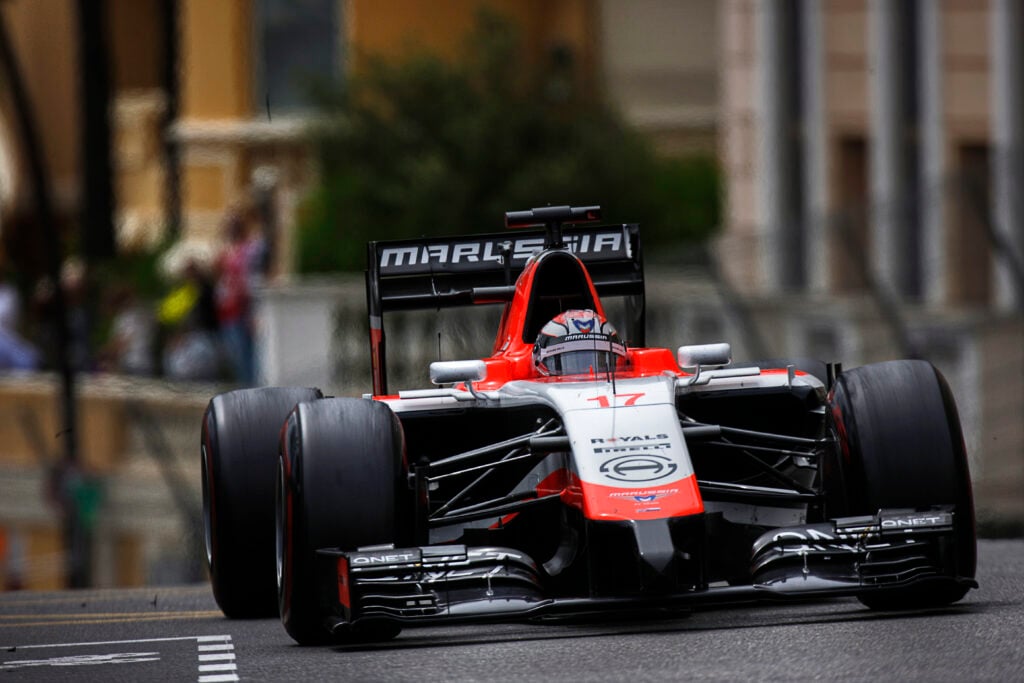
Only the number 17 has been retired after the death of Jules Bianchi. The French driver was using the digits when he crashed at the 2014 Japanese Grand Prix before succumbing to his injuries nine months later.
As a tribute to the late driver, F1 decided to withdraw the number from being selected, meaning drivers can no longer compete with #17.
How long is a driver entitled to their number after leaving F1?
According to the Formula 1 regulations, a driver’s number is held for up to two years after they have left the sport, in case they decide to return.
Other drivers cannot select the number during this period, but with new rulings, could change to these expired numbers after the two years have passed.
In more recent years, both Albon and Hulkenberg have reclaimed their digits when making their returns to the Formula 1 grid before the numbers had been released.
These starting numbers cannot be used in 2025:
| NUMBER | DRIVER | EXPIRY DATE |
| 2 | Logan Sargeant | August 2026 |
| 3 | Daniel Ricciardo | September 2026 |
| 17 | Jules Bianchi | Permanent |
| 20 | Kevin Magnussen | End of 2026 |
| 24 | Zhou Guanyu | End of 2026 |
Receive exclusive F1 news and updates twice a week to your mailbox